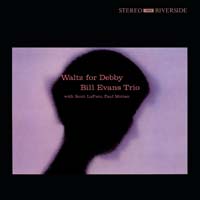
ALBUM NOTESReview of Bill Evans-Waltz for Debby – Waltz for Debby
Album overview
Bill Evans' "Waltz for Debby" is a landmark jazz album released in 1961, solidifying Evans' reputation as a leading innovator in the genre. The album was recorded live at the Village Vanguard in New York City, a venue known for its intimate atmosphere and rich jazz history. The original release was under the Riverside Records label and features a notable collaboration with bassist Scott LaFaro and drummer Paul Motian, both of whom were pivotal in shaping the album's sound.
The title track, "Waltz for Debby," was composed by Evans himself and serves as a poignant tribute to his niece. The album consists of seven tracks, blending original compositions and jazz standards such as "My Foolish Heart" and "Detour Ahead." The interplay between Evans' piano, LaFaro's innovative bass lines, and Motian's subtle drumming creates a delicate and intricate sound that has influenced countless musicians and jazz lovers alike.
The recording sessions took place in June 1961, capturing the unique chemistry of the trio, particularly the interplay between Evans and LaFaro, which was revolutionary for the jazz genre. The album has not only received critical acclaim but has also been deemed one of the most important jazz recordings of all time, showcasing the artistry and emotional depth that jazz can achieve.
Review
"Waltz for Debby" is a masterclass in jazz piano trio performance. Bill Evans' playing is both lyrical and introspective, showcasing his unique blend of impressionism and classical influences. The album's sound is characterized by its melodic fluidity and harmonic sophistication, with Evans often employing rich, lush chords that evoke a sense of yearning and contemplation. The emotional depth of the music is palpable, particularly in the title track, where the delicate waltz rhythm conveys a sense of nostalgia.
Scott LaFaro's contributions on bass are equally noteworthy, his innovative approach includes complex lines that weave seamlessly with Evans' piano, creating a dialogue rather than a simple accompaniment. Paul Motian's drumming is subtle yet effective, providing a gentle pulse that allows the other instruments to shine. The improvisational aspects of the performances are a testament to the trio's artistic vision, making each track feel fresh and alive.
The album's cultural significance cannot be overstated, as it influenced a generation of musicians and listeners. It encapsulates the essence of the 1960s jazz scene, where experimentation and emotional depth were paramount, and it continues to resonate with audiences today.
Highlights
- Exceptional interplay between Evans, LaFaro, and Motian.
- Deep emotional resonance in compositions, particularly "Waltz for Debby."
- Innovative bass lines that redefine the role of the bass in jazz trios.
Weak points
- Some listeners may find the album's slow tempos and introspective nature less engaging.
- The absence of more upbeat tracks may limit its appeal to casual jazz listeners.
- Live recording quality might not meet modern studio standards for some audiences.
Overall evaluation
"Waltz for Debby" is a quintessential jazz album that showcases the brilliance of Bill Evans and his collaborators. It remains a timeless work that captures the beauty and complexity of jazz music.
Personal rating: 9/10
```

 2021Behind The Dikes: The 1969 Netherlands Recordings
.jpg) 1975Alone (Again)
1975Alone (Again) 1974Symbiosis
 1973My Foolish Heart
 1969Alone
 1966Intermodulation
 1963Conversations With Myself
 1962Undercurrent
 1959Everybody Digs Bill Evans
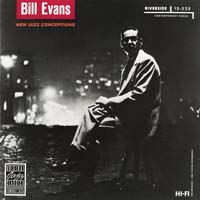 1956New Jazz Conceptions
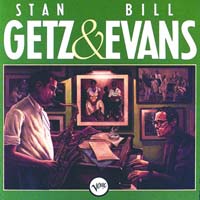 0Stan Getz