

Listening to Blue Rondo by Bill Evans
Blue Rondo- Album Overview
Released in 1974, "Blue Rondo" is a pivotal album in the discography of acclaimed jazz pianist Bill Evans. This album, released under the Fantasy Records label, showcases the intricate interplay between Evans and his gifted collaborators, including bassist Eddie Gomez and drummer Eliot Zigmund. Recorded during a period when Evans was exploring more contemporary sounds while remaining rooted in his classic jazz style, "Blue Rondo" features a blend of original compositions and arrangements that highlight the nuances of jazz improvisation.
The title track, "Blue Rondo," is a nod to the rhythmic complexities that characterize much of Evans' work, incorporating elements of 9/8 time signature that create an engaging listening experience. The album also includes tracks such as “Waltz for Debby” and “Very Early,” which reflect Evans' distinctive lyrical style and evocative melodies. The recording sessions took place in New York City, capturing the vibrant jazz scene of the 1970s, a time when artists were beginning to embrace a fusion of jazz with other genres.
"Blue Rondo" is significant not only for its musical content but also as a reflection of the cultural shifts occurring in jazz during the 1970s. With its blend of traditional jazz elements and the exploratory spirit of the era, the album exemplifies Evans' enduring influence on future generations of musicians. Although it may not have achieved the same commercial success as some of his earlier works, "Blue Rondo" remains a critical piece of Evans' legacy, showcasing his ability to innovate while staying true to the essence of jazz.
Review
The sound of "Blue Rondo" is quintessentially Bill Evans, marked by his lyrical piano lines that weave seamlessly through complex harmonies. The album's production captures a raw, intimate quality, allowing listeners to feel as if they are sitting in the room with the musicians. Evans' sensitivity as a pianist is on full display, particularly in the softer, more introspective pieces where his delicate touch brings forth a profound emotional resonance.
Artistically, Evans pushes boundaries while remaining grounded in jazz traditions. His collaboration with Gomez and Zigmund results in a cohesive sound where each musician complements the others, creating a rich tapestry of sound. The rhythms are intricate yet fluid, embodying the spirit of exploration that defines much of Evans' work. While the album does not feature lyrics in the traditional sense, the expressive quality of the piano serves as a form of vocal storytelling, conveying emotions that words often cannot express.
Highlights
- Intricate and innovative piano compositions that reflect Evans' mastery.
- Strong synergy between musicians, creating a cohesive and immersive listening experience.
- Rich emotional depth conveyed through the interplay of melody and harmony.
Weak points
- May not appeal to listeners who prefer more mainstream jazz sounds.
- Some tracks may feel overly complex or dense for casual listeners.
- Limited commercial appeal compared to Evans' earlier, more popular albums.
Overall evaluation
"Blue Rondo" is a testament to Bill Evans' enduring legacy as a jazz innovator. While it may not be the most accessible entry point for new listeners, it offers a rich listening experience for those willing to engage with its complexities. The album stands as a significant contribution to the genre, embodying the spirit of creativity that defined jazz in the 1970s.
Personal rating: 8/10.jpg) 1975Alone (Again)
1975Alone (Again)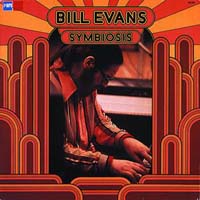 1974Symbiosis
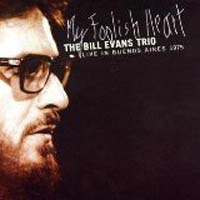 1973My Foolish Heart
 1969Alone
 1966Intermodulation
 1964Waltz for Debby
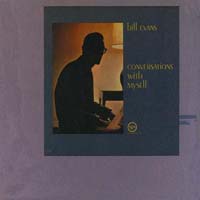 1963Conversations With Myself
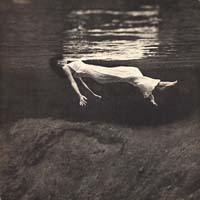 1962Undercurrent
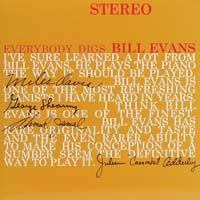 1959Everybody Digs Bill Evans
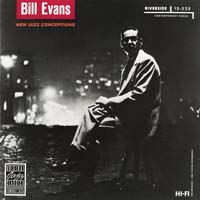 1956New Jazz Conceptions
 0Stan Getz