
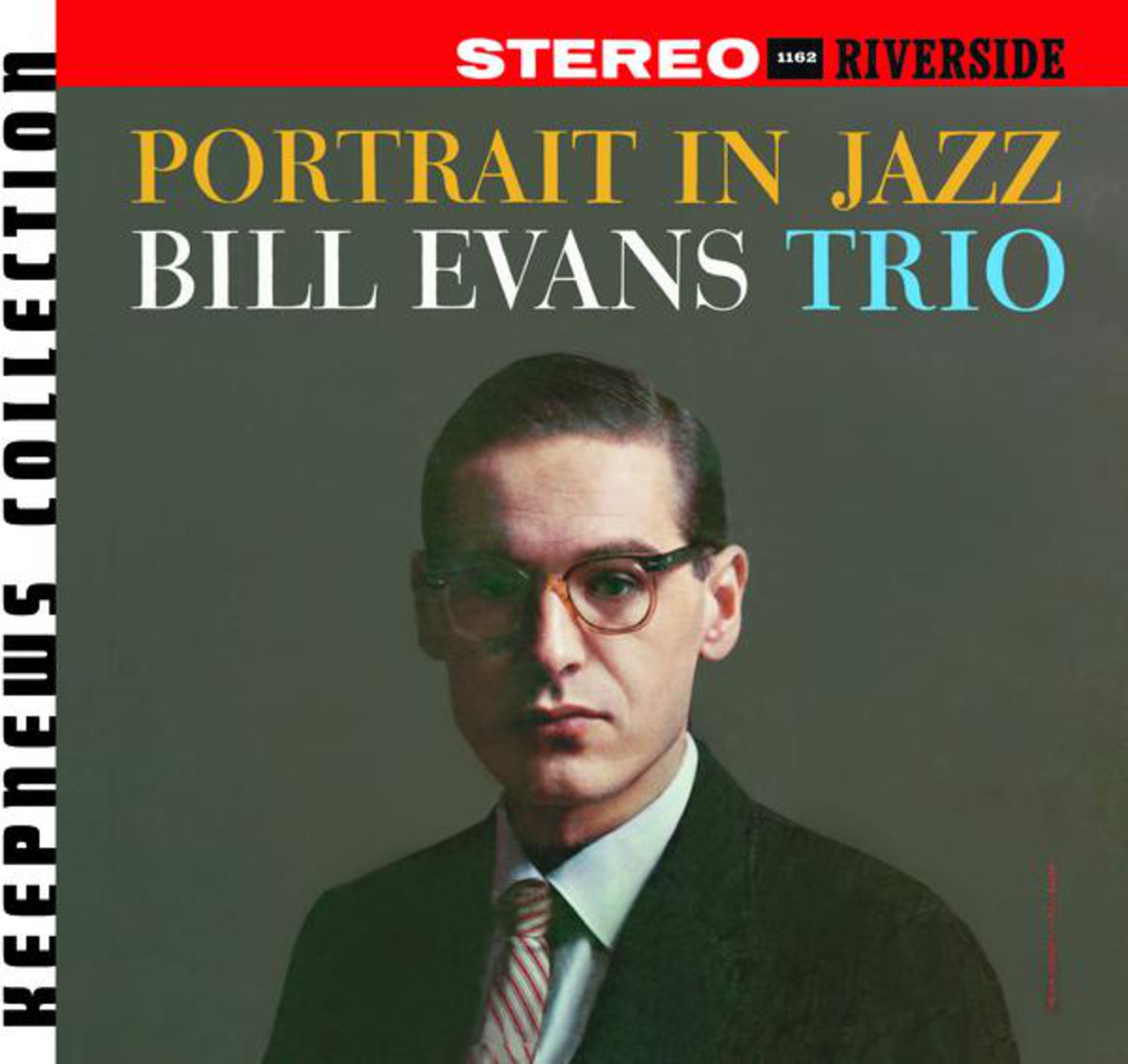
Unpacking Bill Evans's More From The Vanguard
More From The Vanguard- Album Overview
Released in 1966, "More From The Vanguard" is an iconic jazz album by renowned pianist Bill Evans, showcasing his profound influence on the genre. The album is a follow-up to his earlier work recorded at the Village Vanguard in New York City in 1961, capturing the essence of his live performances. Released on the Verve label, it features a stellar lineup of musicians, including Eddie Gomez on bass and Marty Morell on drums, who contribute to the rich, intricate sound that Evans is celebrated for. The album consists of six tracks, including reimagined versions of standards such as "Autumn Leaves" and "Waltz for Debby," both staples in Evans's repertoire. The recording sessions took place during a time when Evans was redefining jazz piano, blending classical influences with innovative harmonies and voicings. The interplay between Evans and his collaborators demonstrates a deep musical synergy, underscoring the importance of improvisation in jazz. Culturally, "More From The Vanguard" is significant as it represents a pivotal moment in the evolution of jazz during the 1960s, a period marked by experimentation and the breaking of traditional boundaries. The album not only solidifies Evans's status as a leading figure in jazz but also serves as a testament to the vibrant live music scene of New York City during that era. Its release has influenced countless musicians and continues to resonate with listeners today, making it a timeless classic in the jazz canon.
Review
In "More From The Vanguard," Bill Evans expertly crafts a soundscape that balances introspection with emotional depth. The album is characterized by its delicate melodies and intricate harmonies, showcasing Evans's virtuosity and unique approach to jazz piano. Each track unfolds like a narrative, inviting listeners into a world of lyrical beauty and complex rhythms. The interaction between Evans's piano and Gomez's bass is particularly noteworthy, as they engage in a conversational dance that highlights the art of improvisation. The subtlety of Evans's touch creates a serene atmosphere, while the rhythmic drive provided by Morell keeps the energy flowing. The album's production captures the essence of a live performance, allowing the listener to feel the intimacy of the Vanguard setting. While the album predominantly features instrumental compositions, the emotional weight conveyed through the music speaks volumes, transcending the need for lyrics. Evans's artistic vision comes to life in these recordings, making "More From The Vanguard" a compelling listen for both jazz aficionados and newcomers alike.
Highlights
- Mesmerizing interplay between piano and bass, showcasing improvisational skills.
- Emotional depth and lyrical beauty in each composition.
- Captures the authentic vibe of a live performance at the legendary Village Vanguard.
Weak points
- Some listeners may find the pace slow or reflective, lacking high-energy tracks.
- The album's reliance on familiar standards may not appeal to those seeking original compositions.
- Limited appeal for fans of more contemporary or genre-blending jazz styles.
Overall evaluation
"More From The Vanguard" stands as a testament to Bill Evans's artistry and the enduring power of jazz. Its intricate compositions and emotive performances remain captivating, solidifying its place in the pantheon of jazz classics.
Personal rating: 9/10.jpg) 1975Alone (Again)
1975Alone (Again) 1974Symbiosis
 1973My Foolish Heart
 1969Alone
 1966Intermodulation
 1964Waltz for Debby
 1963Conversations With Myself
 1962Undercurrent
 1959Everybody Digs Bill Evans
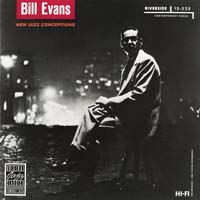 1956New Jazz Conceptions
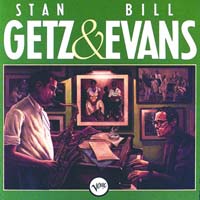 0Stan Getz