

A closer look at Bill Evans's album The Blues And The Abstract Truth
The Blues And The Abstract Truth- Album Overview
"The Blues And The Abstract Truth," released in 1960, is an iconic album by American jazz pianist Bill Evans, showcasing his innovative approach to harmony and melody. This album marks a significant moment in Evans's career, recorded for the Riverside Records label, which was known for its commitment to releasing high-quality jazz recordings during its heyday. The sessions took place in New York City, bringing together a stellar cast of musicians, including the legendary saxophonist Cannonball Adderley, bassist Chuck Israels, drummer Larry Bunker, and trumpeter Nat Adderley, who contributed to the rich textural landscape of the album.
The album features a total of five tracks, with standout compositions such as "Waltz for Debby," "The Two Lonely People," and "Come Rain or Come Shine." Each piece reflects Evans's introspective style and his ability to fuse classical influences with the spontaneity of jazz. The production quality of the album is exceptional, capturing the nuances of the ensemble's performance, which further elevates the listening experience.
Culturally, "The Blues And The Abstract Truth" is significant for its bold exploration of blues motifs within a modern jazz context, expanding the genre's boundaries. This album not only showcases Evans's virtuosity but also symbolizes a shift in jazz towards more complex harmonies and emotional depth. The album has since become a touchstone for both jazz enthusiasts and aspiring musicians, influencing countless artists across genres.
Review
The sound of "The Blues And The Abstract Truth" is characterized by a delicate interplay between the musicians, with Evans's sensitive piano work taking center stage. His unique touch and phrasing create an intimate atmosphere, inviting listeners into a world of profound emotional expression. The arrangements are masterfully crafted, allowing each musician to shine while maintaining a cohesive sound that is distinctly Evans. The lyrical quality of the music is palpable, with each track telling a story that resonates with the listener.
Artistically, Evans's vision was to blend the blues with abstract concepts, resulting in a collection that feels both grounded and ethereal. The album's exploration of complex harmonies and melodies reflects the evolution of jazz during the 1960s, a time when musicians were pushing the boundaries of the genre. The interplay between the instruments creates a dynamic conversation, especially notable in tracks like "Waltz for Debby," where the melody dances effortlessly around the rhythm section.
Highlights
- The exceptional interplay between musicians creates a rich and immersive listening experience.
- Bill Evans's emotive piano playing showcases his unique style and technical prowess.
- The album's innovative blend of blues and abstract elements sets a precedent for future jazz compositions.
Weak points
- The abstract nature of some tracks may not appeal to all listeners, particularly those seeking more traditional jazz elements.
- Some might find the album's introspective mood less engaging compared to more upbeat jazz offerings.
- Limited commercial appeal at the time of release may overshadow its artistic significance.
Overall evaluation
"The Blues And The Abstract Truth" is a seminal work in Bill Evans's discography, showcasing his innovative approach to jazz that resonates even decades later. The album's combination of emotional depth and technical brilliance solidifies its place in jazz history.
Personal rating: 9/10.jpg) 1975Alone (Again)
1975Alone (Again)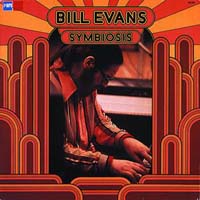 1974Symbiosis
 1973My Foolish Heart
 1969Alone
 1966Intermodulation
 1964Waltz for Debby
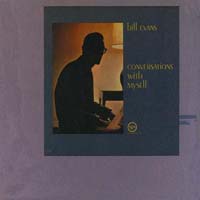 1963Conversations With Myself
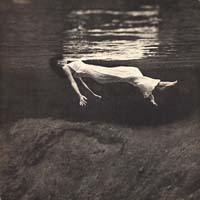 1962Undercurrent
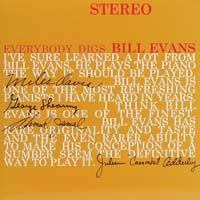 1959Everybody Digs Bill Evans
 1956New Jazz Conceptions
 0Stan Getz