
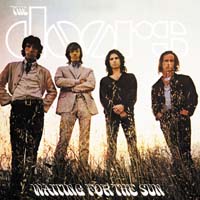
The Doors experiments boldly on Waiting for the Sun
Waiting for the Sun- Album Overview
Released on July 3, 1968, "Waiting for the Sun" is the third studio album by American rock band The Doors. Produced by Paul A. Rothchild and released under Elektra Records, the album showcases the band's unique blend of rock, blues, and psychedelic influences. Notably, it features iconic tracks such as "Hello, I Love You," which became one of their most commercially successful singles, reaching number one on the Billboard Hot 100. The album was recorded in various sessions at Sunset Sound Recorders in Los Angeles, where The Doors had previously crafted their groundbreaking self-titled debut and the follow-up album, "Strange Days."
In contrast to their earlier works, "Waiting for the Sun" explores a more diverse sound palette, incorporating orchestral elements and different instrumentation. Collaborators on the album included the renowned engineer Bruce Botnick, who helped shape the band's distinct sonic identity. Thematically, the album delves into existential questions, love, and the complexities of the human experience, with Jim Morrison's evocative lyrics taking center stage. Cultural significance is evident, as the album reflects the shifting social landscape of the late 1960s, marked by counterculture movements and a burgeoning interest in spiritual exploration. "Waiting for the Sun" stands as a testament to The Doors' willingness to experiment and evolve, making it a crucial entry in their discography.
Review
The Doors' "Waiting for the Sun" is a bold fusion of musical styles that captures the band at a transformative moment. The album opens with the vibrant "Hello, I Love You," a track that combines catchy hooks with Morrison's poetic lyricism, setting the tone for the rest of the record. The use of orchestration in songs like "Wintertime Love" and "The Unknown Soldier" reflects a more ambitious artistic vision, expanding their sound beyond raw rock and into more intricate arrangements.
However, this experimentation also leads to moments that may feel disjointed, particularly in tracks like "Five to One," where the heavy, driving rhythms clash with Morrison's more abstract lyrical approach. Despite this, the album's exploration of themes like love, mortality, and societal decay resonates deeply, allowing listeners to connect with the emotional weight of the lyrics. Ultimately, "Waiting for the Sun" showcases The Doors' artistry, balancing commercial appeal with the avant-garde, solidifying their status as pioneers of 1960s rock.
Highlights
- Catchy and memorable singles like "Hello, I Love You."
- Innovative use of orchestration and diverse musical styles.
- Thought-provoking lyrics that explore complex themes.
Weak points
- Some tracks may feel disjointed or less cohesive.
- Not all songs achieve the same level of impact as the singles.
- Experimentation may alienate fans of their earlier, more straightforward rock sound.
Overall evaluation
"Waiting for the Sun" represents a bold step forward for The Doors, showcasing their willingness to experiment while maintaining their lyrical depth. While not every track resonates equally, the album offers a rich listening experience that reflects the band's innovative spirit.
Personal rating: 8/10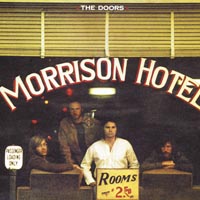 1999Waiting for the Sun / L.A. Woman
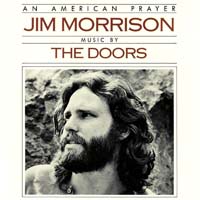 1978An American Prayer
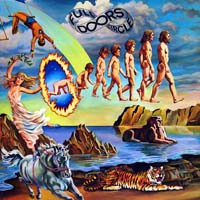 1972Full Circle
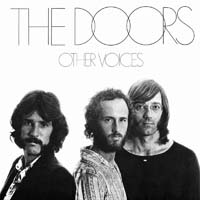 1971Other Voices
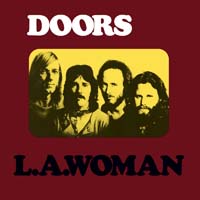 1971L.A. Woman
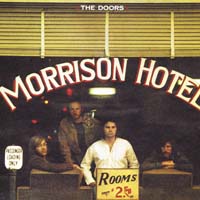 1970Morrison Hotel
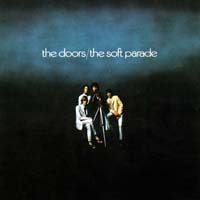 1969The Soft Parade
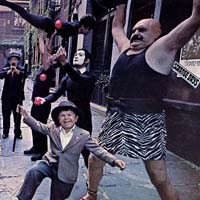 1967Strange Days