
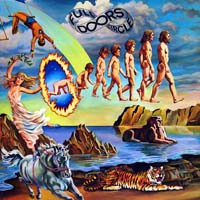
Listening to Full Circle by The Doors
Full Circle- Album Overview
"Full Circle" is the sixth and final studio album by the iconic rock band The Doors, released in 1972. This album marked a significant transition in the band's trajectory, as it was created during a period of turmoil following the death of lead singer Jim Morrison in 1971. The album was produced by Paul A. Rothchild and released under the Elektra Records label. Unlike their earlier works, which featured Morrison's distinctive lyrical style and charismatic presence, "Full Circle" showcases the band's adaptation to a new reality, with keyboardist Ray Manzarek and guitarist Robby Krieger stepping up as primary songwriters. The album includes tracks like "Get Up and Dance," "The Mosquito," and "Tightrope Ride," blending elements of rock with touches of jazz and experimental sounds. Recording took place in 1971, and the album features contributions from several notable musicians, including drummer John Densmore and notable session players. Despite being less commercially successful than previous albums, "Full Circle" holds a unique place in The Doors' discography, representing their resilience and willingness to evolve in the face of adversity. The album's themes reflect a search for meaning and redemption, a poignant exploration of life after loss. The lead single, "Get Up and Dance," showcases the band's attempt to recreate their earlier energy but received mixed reviews. Overall, "Full Circle" serves as a testament to The Doors' legacy, capturing a moment of profound change in the band and the wider music landscape of the early 1970s.
Review
In "Full Circle," The Doors venture into new territories while attempting to hold onto their signature sound. The album's production captures a raw and somewhat experimental essence, a departure from the polished finish of their earlier records. Tracks like "Tightrope Ride" exhibit a strong groove, with Manzarek's keyboard work and Krieger's guitar riffs complementing each other. However, the absence of Morrison's haunting vocals and poetic lyrics is felt throughout, leading to an album that, while interesting, lacks the emotional depth of its predecessors. The lyrical content often feels disjointed and less impactful, as if the band is still searching for direction without their charismatic frontman. Despite this, there are moments of brilliance, particularly in the instrumentation, where the band experiments with jazz-inflected rhythms and unusual song structures. Overall, while "Full Circle" doesn't reach the heights of "The Doors" or "L.A. Woman," it does showcase the remaining members' commitment to pushing musical boundaries and adapting to their new reality.
Highlights
- Unique blend of rock and jazz influences in tracks like "The Mosquito."
- Strong musicianship from Ray Manzarek and Robby Krieger.
- Exploration of themes such as resilience and life's challenges.
Weak points
- Lack of Jim Morrison's distinctive vocals and lyrical depth.
- Some tracks feel disjointed and lack cohesion.
- Commercial performance was underwhelming compared to earlier albums.
Overall evaluation
"Full Circle" is a fascinating yet flawed chapter in The Doors' legacy, showcasing the band's effort to navigate a post-Morrison world. While it lacks the emotional impact and cohesion of their earlier work, it still contains moments of creativity and experimentation that deserve recognition.
Personal rating: 6/10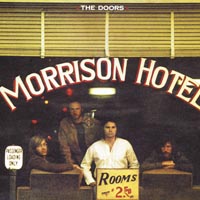 1999Waiting for the Sun / L.A. Woman
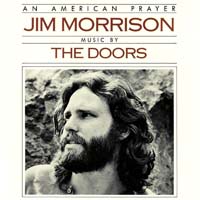 1978An American Prayer
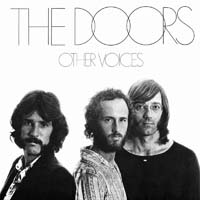 1971Other Voices
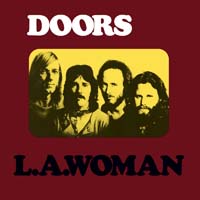 1971L.A. Woman
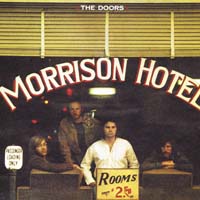 1970Morrison Hotel
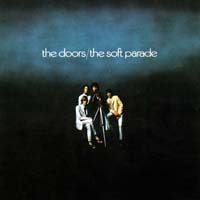 1969The Soft Parade
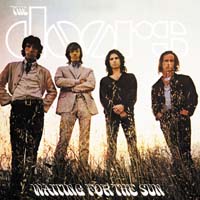 1968Waiting for the Sun
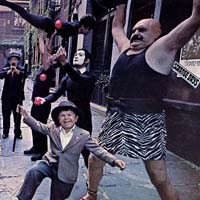 1967Strange Days