
Breaking down the themes in Strange Days by The Doors
Strange Days- Album Overview
Released in 1967, "Strange Days" is the second studio album by the American rock band The Doors, following their critically acclaimed self-titled debut. The album was produced by Paul A. Rothchild and released under Elektra Records. Recorded in a mere few weeks at Sunset Sound Recorders in Hollywood, "Strange Days" showcases the band's signature fusion of rock, blues, and psychedelic music, characterized by Ray Manzarek's haunting keyboards, Robby Krieger's intricate guitar work, John Densmore's dynamic drumming, and Jim Morrison's enigmatic vocals and poetic lyrics.
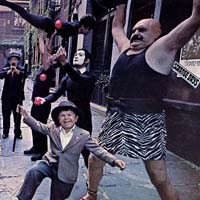
The album features notable tracks such as "People Are Strange," "Love Me Two Times," and "When the Music's Over," which delve into themes of alienation, love, and existential angst. The single "People Are Strange" became especially popular, resonating with audiences who felt marginalized or out of place during a transformative era in American culture. The album's cover art, featuring a photograph by Joel Brodsky, complements its mysterious and surreal themes.
"Strange Days" is often regarded as a reflection of the countercultural movement of the 1960s, capturing the zeitgeist of a generation grappling with social upheaval and the search for meaning. Despite being overshadowed by its predecessor, the album has retained its status, influencing countless artists and remaining a vital piece of rock history.
Review
The sound of "Strange Days" is a complex tapestry woven with psychedelic elements and bluesy undertones, creating an atmospheric experience that invites listeners into Morrison's introspective world. The opening track, "Strange Days," sets the tone with its eerie yet captivating organ riff, while "Love Me Two Times" delivers a more upbeat, yet equally haunting, exploration of love and desire. Morrison’s lyrics often blend surreal imagery with stark realities, creating a juxtaposition that reflects the confusion and turmoil of the era.
The album’s artistic vision is ambitious, as it encapsulates the spirit of the 1960s while maintaining a timeless quality. Tracks like "When the Music's Over" showcase Morrison's poetic prowess, with lyrics that urge listeners to embrace the chaos of life. Despite its darker undertones, "Strange Days" is a celebration of the human experience, inviting reflection and introspection.
Highlights
- The innovative blend of rock and psychedelic sounds that defines the album.
- Jim Morrison's evocative and thought-provoking lyrics.
- The atmospheric production that enhances the overall listening experience.
Weak points
- Some tracks may feel disjointed compared to the cohesive flow of their debut album.
- The album's darker themes might not resonate with all listeners.
- It lacks the commercial hits of later albums, which may affect its mainstream appeal.
Overall evaluation
"Strange Days" remains a significant work in The Doors' discography, showcasing their artistic growth and deepening complexity. It captures the essence of a transformative moment in music history, making it a must-listen for fans of the genre.
Personal rating: 8/10 1999Waiting for the Sun / L.A. Woman
 1978An American Prayer
 1972Full Circle
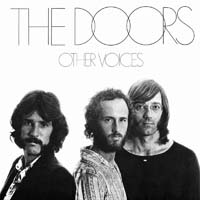 1971Other Voices
 1971L.A. Woman
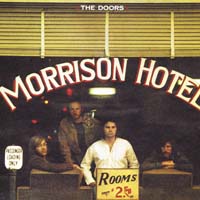 1970Morrison Hotel
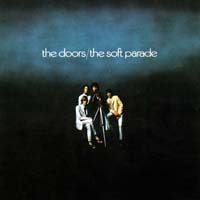 1969The Soft Parade
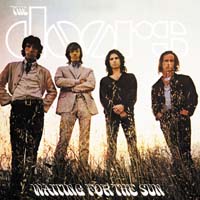 1968Waiting for the Sun