
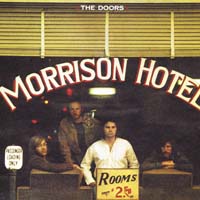
Is Morrison Hotel The Doors's best work yet?
Morrison Hotel- Album Overview
"Morrison Hotel," released on February 9, 1970, is the fifth studio album by the iconic American rock band The Doors. Produced by Paul Rothchild and released under Elektra Records, this album marked a significant return to form after the more experimental and less commercially successful "The Soft Parade." The recording sessions took place in late 1969 at the Whisky a Go Go in Los Angeles, a venue synonymous with the band's early rise to fame. "Morrison Hotel" showcases a blend of rock, blues, and jazz influences, reflecting the band's versatility and Jim Morrison's poetic lyrics.
The album features 11 tracks, including standout singles like "Roadhouse Blues," which became a staple of classic rock radio, and "Peace Frog." The musical arrangement, characterized by Robby Krieger's guitar riffs, Ray Manzarek's distinctive keyboards, and John Densmore's dynamic drumming, contributes to its gritty, barroom aesthetic. The cover art, featuring photographs by Henry Diltz, captures the essence of the Los Angeles music scene of the time.
"Morrison Hotel" was well-received by critics and fans alike, solidifying The Doors' status as one of the leading rock bands of the era. The album's themes explore the darker sides of life, love, and the human experience, further cementing Morrison's legacy as a rock poet. It remains a crucial part of the band's discography and is often cited as one of their best works.
Review
The sound of "Morrison Hotel" is a rich tapestry of blues-rock that captures both the raw energy of the band and the lyrical depth of Jim Morrison's writing. From the driving beat of "Roadhouse Blues" to the haunting melodies of "The Crystal Ship," the album showcases a band that is both confident and introspective. The lyrics are a mix of existential musings and vivid imagery, with Morrison's baritone voice effortlessly conveying a sense of urgency and longing.
Musically, the album balances hard-hitting tracks with softer, more reflective moments, creating a dynamic listening experience. The interplay between Krieger's guitar and Manzarek's organ creates a sonic landscape that feels both timeless and deeply rooted in the blues tradition. "Morrison Hotel" is not just a collection of songs but a cohesive statement that reflects the cultural climate of the early '70s, resonating with themes of rebellion and exploration.
Highlights
- Powerful and memorable guitar riffs, particularly in "Roadhouse Blues."
- Deep and thought-provoking lyrics that showcase Jim Morrison's poetic talent.
- A perfect blend of rock and blues, capturing the essence of the era.
Weak points
- Some tracks may feel less impactful compared to the album's standout singles.
- The production style may not resonate with listeners seeking a polished sound.
- Jim Morrison's vocal delivery can be polarizing, appealing to some but alienating to others.
Overall evaluation
"Morrison Hotel" stands as a testament to The Doors' enduring legacy, combining raw energy with lyrical depth. While it may not be universally considered their best work, it undoubtedly showcases the band's artistic vision at a crucial point in their career.
Personal rating: 9/10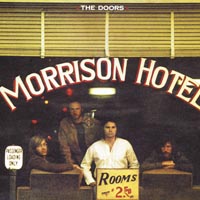 1999Waiting for the Sun / L.A. Woman
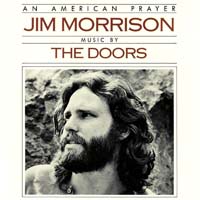 1978An American Prayer
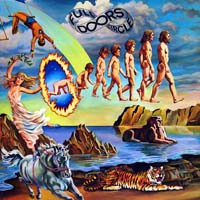 1972Full Circle
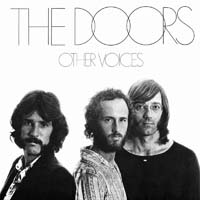 1971Other Voices
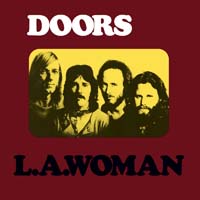 1971L.A. Woman
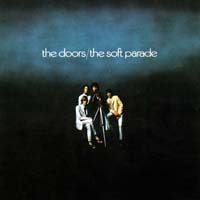 1969The Soft Parade
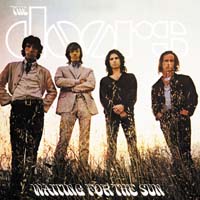 1968Waiting for the Sun
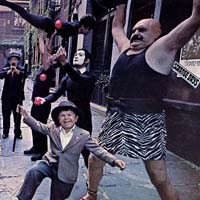 1967Strange Days