
Waiting for the Sun / L.A. Woman: the story The Doors wants to tell
Waiting for the Sun / L.A. Woman- Album Overview
The Doors released their albums "Waiting for the Sun" and "L.A. Woman" in 1968 and 1971, respectively, both under the Elektra Records label. "Waiting for the Sun," the band's third studio album, was released on July 3, 1968, and showcased a blend of rock, blues, and psychedelia, reflecting the band's evolution in sound while maintaining their signature dark themes. The album features notable tracks like "Hello, I Love You," which became one of their most commercially successful singles, reaching No. 1 on the Billboard Hot 100. It was recorded at Sunset Sound Studios in Los Angeles, with the band collaborating closely with producer Paul A. Rothchild, who played a significant role in shaping their sound during this period.
In contrast, "L.A. Woman," released on April 19, 1971, marked a significant transition for The Doors as it was the last album to feature Jim Morrison before his untimely death. This album took a more blues-oriented approach and included iconic tracks such as the title track "L.A. Woman," "Riders on the Storm," and "Love Her Madly." The recording sessions took place at the Doors' own workshop in Los Angeles, and the band decided to self-produce this album, allowing for a rawer, more organic sound. "L.A. Woman" was pivotal in cementing the band's legacy, showcasing Morrison's poetic lyrics and the band's instrumental prowess, and it is often considered one of their best works.
Both albums are significant in the context of 1960s and 1970s rock music, as they encapsulate the spirit of a generation grappling with themes of love, freedom, and existential angst. The Doors' ability to blend different musical styles and Morrison's enigmatic lyrics have made these albums timeless pieces of art that continue to resonate with audiences today.
Review
The juxtaposition of "Waiting for the Sun" and "L.A. Woman" offers a fascinating glimpse into the evolution of The Doors as artists. The former captures the whimsical yet haunting quality of the late '60s, with tracks like "Hello, I Love You" showcasing their knack for catchy melodies intertwined with darker lyrical themes. The album's production is polished, reflecting a band at the height of their creative powers, yet there is an underlying tension that hints at the struggles the group faced behind the scenes.
On the other hand, "L.A. Woman" exudes a raw, unrefined energy that underscores Morrison's lyrical mastery. The album's bluesy undertones resonate deeply, particularly in tracks like "Riders on the Storm," where the haunting piano and guitar interplay create a perfect backdrop for Morrison's introspective lyrics. The shift in sound from "Waiting for the Sun" to "L.A. Woman" illustrates not only the band's growth but also the cultural shifts occurring in America at the time. Morrison's voice, both powerful and vulnerable, tells stories of love, loss, and life in the City of Angels, making this album a fitting farewell from one of rock's most enigmatic figures.
Highlights
- Strong lyrical narratives that resonate with timeless human experiences.
- Diverse musical styles ranging from psychedelic rock to blues, showcasing the band's versatility.
- Iconic performances by Jim Morrison, especially in "L.A. Woman," marking a pivotal moment in rock history.
Weak points
- Some tracks on "Waiting for the Sun" may feel less cohesive compared to their earlier works.
- The production on "L.A. Woman" might not appeal to fans of their more polished earlier albums.
- Jim Morrison's personal struggles can overshadow the musical brilliance at times.
Overall evaluation
Both "Waiting for
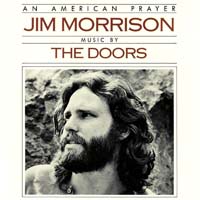 1978An American Prayer
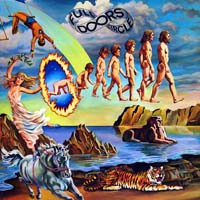 1972Full Circle
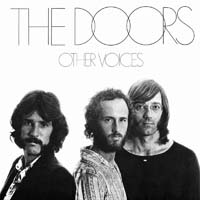 1971Other Voices
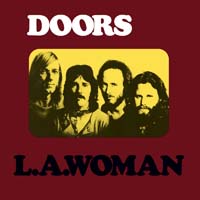 1971L.A. Woman
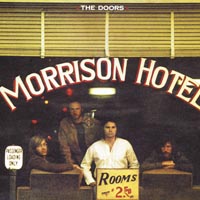
 1970Morrison Hotel
 1969The Soft Parade
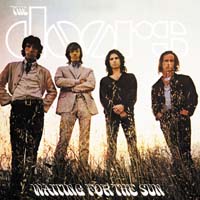 1968Waiting for the Sun
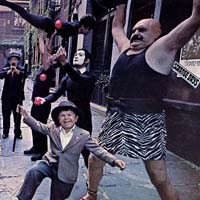 1967Strange Days