

From intro to finale: what Vagabonds of the Western World delivers
Vagabonds of the Western World- Album Overview
"Vagabonds of the Western World" is the third studio album by the Irish rock band Thin Lizzy, released in 1973. This album marked a significant turning point for the band as they were beginning to establish their unique sound, blending elements of rock, blues, and folk. Produced by Nick Tauber and released under the Decca Records label, the album features a lineup that includes Phil Lynott (vocals, bass guitar), Brian Downey (drums), Eric Bell (guitar), and the addition of new members like guitarist Gary Moore, who contributed to the band’s evolving musical direction during this era.
The album consists of eight tracks, including standout songs such as "The Rocker," "Little Girl in Bloom," and "Breaking Point." Thematically, "Vagabonds of the Western World" explores themes of identity, struggle, and the quest for freedom, reflective of the band's own journey in the turbulent music industry of the 1970s. The production captures a raw energy that would become synonymous with Thin Lizzy's later work, while also serving as a precursor to their more polished sound in subsequent albums. The singles released from this album, particularly "The Rocker," helped to solidify Thin Lizzy's reputation and provided a glimpse into their potential as a leading force in rock music.
Musically, the album is significant for its incorporation of dual guitar harmonies and a more melodic approach compared to their earlier works. The innovative guitar work and Lynott's introspective lyrics contribute to a rich listening experience that resonates with fans even today. "Vagabonds of the Western World" is not just an album; it is a statement of artistic ambition that laid the groundwork for Thin Lizzy's legendary status in rock history.
Review
The sound of "Vagabonds of the Western World" is a blend of hard rock and lyrical introspection that showcases Thin Lizzy's growing maturity as a band. The opening track, "The Rocker," immediately establishes a high-energy vibe that is both infectious and exhilarating, setting the tone for the rest of the album. Phil Lynott's distinctive voice is at the forefront, delivering lyrics that are both poignant and relatable, capturing the essence of youthful rebellion and longing.
Musically, the interplay between Eric Bell's guitar work and the steady rhythms provided by Downey creates a sonic landscape that is both rich and diverse. The band experiments with tempo and melody, particularly in tracks like "Little Girl in Bloom," where soft, reflective moments contrast sharply with the more aggressive rock anthems. This dynamic range keeps the listener engaged throughout the album, making it a compelling listen from start to finish.
Thin Lizzy's artistic vision is evident in their willingness to push boundaries while remaining true to their roots. The album's production, though raw, captures the authenticity of the band's sound during this period and highlights their potential for future greatness. Overall, "Vagabonds of the Western World" is a bold statement of identity and creativity that solidified Thin Lizzy's place in rock history.
Highlights
- Innovative dual guitar harmonies that became a signature of the band's sound.
- Lynott's introspective and relatable lyrics that resonate with listeners.
- The dynamic range of musical styles showcased throughout the album.
Weak points
- Some tracks may feel underdeveloped compared to later works.
- The production quality, while authentic, lacks the polish of subsequent albums.
- Not all songs achieve the same level of impact, with a few feeling less memorable.
Overall evaluation
"Vagabonds of the Western World" is a pivotal album in Thin Lizzy's discography, showcasing their growth as musicians and songwriters. It balances raw energy
 2020Decca Era & Mercury Rarities
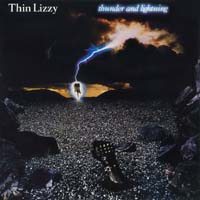 1983Thunder and Lightning
 1981Renegade
 1980Chinatown
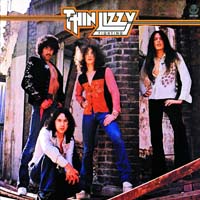 1975Fighting