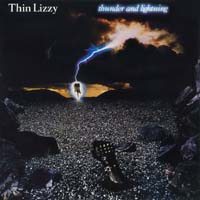
ALBUM NOTESThin Lizzy returns with Thunder and Lightning
Thunder and Lightning- Album Overview
"Thunder and Lightning," released on March 2, 1983, is the final studio album by Irish rock band Thin Lizzy. This album marks a significant moment in the band's history as it was their last before disbanding in 1984. Produced by the renowned Tony Visconti, known for his work with David Bowie and T. Rex, the album was released under the Mercury Records label.
Recording took place at the famous Windmill Lane Studios in Dublin, a hub for various influential Irish acts. The lineup featured the classic Thin Lizzy sound with Phil Lynott on vocals and bass, Scott Gorham and Brian Robertson on guitars, and drummer Brian Downey. The album produced several notable singles, including "The Sun Goes Down" and the title track "Thunder and Lightning," both of which received considerable radio play and contributed to the band's enduring legacy.
Musically, "Thunder and Lightning" is a blend of hard rock and heavy metal, showcasing a heavier sound than previous works, which was partly influenced by the burgeoning metal scene of the early '80s. Lyrically, it reflects themes of personal struggle, resilience, and the complexities of life, all staples of Lynott's poignant songwriting. The album was well-received by critics and fans alike, often cited as one of the band's strongest efforts, highlighting their ability to evolve while maintaining their core identity.
Culturally, "Thunder and Lightning" represents a pivotal moment in rock history, encapsulating the transition of Thin Lizzy from their earlier, more melodic style to a harder-edged sound that influenced future generations of rock musicians. The album's impact is still felt today, as it captures the spirit of an era marked by change and innovation in rock music.
Review
"Thunder and Lightning" exemplifies Thin Lizzy's mastery of blending intricate guitar harmonies with powerful lyrical narratives. The album opens with the title track, which sets a high-energy tone, showcasing the band’s technical prowess and Lynott's charismatic vocals. The dual guitar work between Gorham and Robertson is particularly noteworthy, as it creates a rich soundscape that complements the album's themes of struggle and triumph.
Lyrically, Lynott's songwriting remains introspective and evocative, addressing personal and universal themes with a poetic touch. Tracks like "The Sun Goes Down" reflect a more somber side, while "Cold Sweat" delivers a raw, aggressive sound that encapsulates the band's heavy metal evolution. The production quality, thanks to Visconti's expertise, enhances the overall listening experience, allowing each instrument to shine while maintaining a cohesive sound.
Overall, "Thunder and Lightning" is a testament to Thin Lizzy's ability to adapt to the changing musical landscape while staying true to their roots. The album not only solidifies their place in rock history but also serves as a fitting farewell to a band that has left an indelible mark on the genre.
Highlights
- Powerful dual guitar work, particularly in the title track and "Cold Sweat."
- Lynott's evocative and introspective lyrics that resonate deeply.
- High production quality that enhances the overall listening experience.
Weak points
- Some tracks may feel derivative of the emerging heavy metal sound of the time.
- The album's heavier tone may alienate fans of their earlier, more melodic work.
- Not as commercially successful as previous albums, which may limit its legacy.
Overall evaluation
"Thunder and Lightning" stands as a powerful testament to Thin Lizzy's evolution as a band, balancing hard rock and metal influences while maintaining lyrical depth. It captures a critical moment in their career and the rock genre as a whole.
Personal rating: 8/10

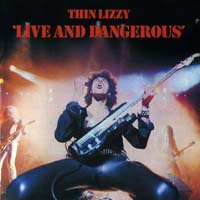 2020Decca Era & Mercury Rarities
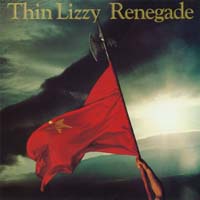 1981Renegade
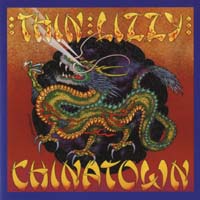 1980Chinatown
 1975Fighting
 1973Vagabonds of the Western World