

Breaking down the themes in Shades of a Blue Orphanage by Thin Lizzy
Shades of a Blue Orphanage- Album Overview
Released in 1972, "Shades of a Blue Orphanage" marks the second studio album by the Irish rock band Thin Lizzy. The album was produced by Nick Tauber and released under the Decca Records label. Following their self-titled debut, "Shades of a Blue Orphanage" showcases the band’s evolving sound, which blends elements of rock, blues, and folk. The recording sessions took place in London, and the album features a strong collaboration between lyricist Phil Lynott and guitarist Eric Bell, who played a pivotal role in the band's early sound. Notably, the album includes standout tracks such as "The Little Girl in Bloom" and the title track "Shades of a Blue Orphanage," both of which highlight Lynott's poetic lyricism and melancholic themes. Although it didn't produce any major singles that charted, the album's release was significant in establishing Thin Lizzy's identity within the burgeoning rock scene of the early '70s. The album explores themes of loneliness, loss, and yearning, resonating deeply with listeners. Its cultural significance is underscored by the band's later success, as many view this album as a stepping stone to Thin Lizzy's acclaimed works in the years to come.
Review
"Shades of a Blue Orphanage" is a poignant reflection of Thin Lizzy's early artistic vision, characterized by introspective lyrics and a blend of musical styles. The sound is marked by Eric Bell's expressive guitar work, which complements Phil Lynott's soulful vocals. The album's production, although typical of its time, captures the raw essence of the band's live performances, allowing the emotional weight of the lyrics to resonate with listeners. Tracks like "The Little Girl in Bloom" reveal a tender vulnerability, while "Shades of a Blue Orphanage" poignantly illustrates themes of isolation and longing. The band's ability to fuse rock with poetic storytelling sets them apart from their contemporaries, marking an early indication of the profound lyrical depth that would define Lynott's songwriting. While the album may not have achieved immediate commercial success, its artistic integrity and exploration of complex themes laid the groundwork for Thin Lizzy's future acclaim.
Highlights
- Phil Lynott's evocative and poetic lyricism.
- Eric Bell's standout guitar work that enhances the emotional depth of the tracks.
- The album's exploration of themes such as loneliness and yearning, which resonate with many listeners.
Weak points
- Production quality may feel dated compared to modern standards.
- Lack of commercially successful singles may limit its recognition.
- Some tracks may not resonate with listeners due to their slower tempo and introspective nature.
Overall evaluation
"Shades of a Blue Orphanage" is a significant entry in Thin Lizzy's discography that captures the band's early exploration of complex themes and musical experimentation. While it may not have garnered widespread acclaim during its release, its artistic merit is undeniable and has paved the way for their future successes.
Personal rating: 7/10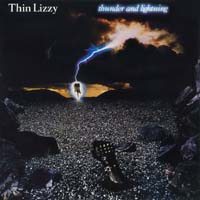 1983Thunder and Lightning
 1981Renegade
 1980Chinatown
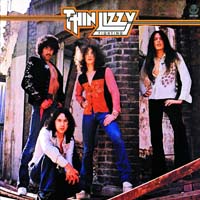 1975Fighting
 1973Vagabonds of the Western World