
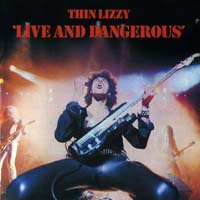
Album spotlight: Thin Lizzy – The Hero and the Madman
The Hero and the Madman- Album Overview
"The Hero and the Madman," released in 1972, is the second studio album by the Irish rock band Thin Lizzy. Produced by the band's frontman Phil Lynott along with Nick Tauber, the album marks a significant step in the band's evolution, showcasing their burgeoning sound and lyrical complexity. Released under the Decca Records label, "The Hero and the Madman" features a blend of hard rock, folk, and progressive rock elements, which would later define Thin Lizzy's signature style. The album includes standout tracks such as "The Hero and the Madman," "The Rocker," and "Broken Dreams," each highlighting Lynott's unique storytelling ability and the band's dynamic musicianship. Recording took place at the legendary Olympic Studios in London, where the band was able to experiment with their sound more freely compared to their debut album. The collaboration between Lynott, guitarist Eric Bell, and drummer Brian Downey was particularly fruitful, as they began to craft the dual guitar harmonies that would become a hallmark of their later work. The album's singles, particularly "The Rocker," did not achieve significant commercial success at the time but have since gained a cult following, contributing to Thin Lizzy’s legacy in rock history. Musically, the album reflects the early 1970s rock scene, with its blend of hard-hitting riffs and reflective lyrics. Lyrically, it explores themes of heroism, madness, and the dichotomy of human experience, a precursor to the more complex narratives Lynott would develop in subsequent albums. Although it did not chart as high as their later works, "The Hero and the Madman" laid the groundwork for Thin Lizzy's future success and is often regarded by fans as an essential part of their discography.
Review
The sound of "The Hero and the Madman" is a compelling mix of rock aggression and melodic nuances, showcasing Thin Lizzy’s early experimentation with their musical identity. Phil Lynott’s deep, emotive voice delivers the lyrics with a sense of urgency and poetry, often reflecting his own life experiences. The guitar work, led by Eric Bell, is particularly noteworthy, featuring a blend of sharp riffs and intricate solos, which adds depth to the tracks. The album's production captures the raw energy of the band while allowing for moments of introspection, particularly in tracks like "Broken Dreams." While the overall sound may not have the polished sheen of their later works, this roughness gives the album a certain charm that resonates with fans of classic rock. The lyrical content is rich and varied, touching on themes of mental strife and identity, which are presented through a lens of rock bravado. In terms of artistic vision, "The Hero and the Madman" is a significant stepping stone for Thin Lizzy. It reflects their ambition to blend hard rock with storytelling, which would become a defining trait of their music. The album’s mix of high-energy tracks and reflective ballads showcases the duality of their sound, setting the stage for their later, more successful albums.
Highlights
- Strong guitar work and inventive arrangements.
- Lyrical depth and emotional resonance.
- Rich production that showcases the band’s raw energy.
Weak points
- Some tracks may feel underdeveloped compared to later material.
- Lack of commercial success upon release may overshadow its quality.
- The overall sound may not appeal to all rock fans.
Overall evaluation
"The Hero and the Madman" is a vital chapter in Thin Lizzy's story, showcasing their early musical exploration and lyrical depth. While not as commercially successful as their later albums, it remains a beloved piece of rock history that highlights the band's potential and artistic integrity.
Personal rating: 7.5/10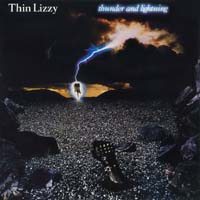 1983Thunder and Lightning
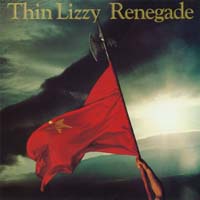 1981Renegade
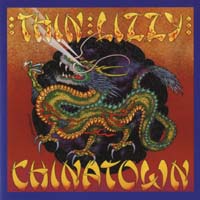 1980Chinatown
 1975Fighting
 1973Vagabonds of the Western World