
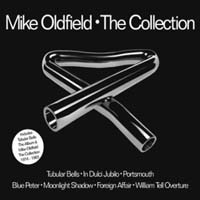
Unpacking Mike Oldfield-Tubular Bells's Tubular Bells
Album overview
Released in 1973, "Tubular Bells" is the debut studio album by British musician Mike Oldfield. It was released under the Virgin Records label, marking the beginning of a fruitful partnership between Oldfield and Richard Branson's label. The album was recorded at The Manor Studio, which was the first studio built by Virgin, and Oldfield was only 19 years old at the time of its production. The album is notable for its innovative approach, being one of the earliest examples of progressive rock, and features a wide array of instruments played by Oldfield himself, including guitar, bass, and various keyboard instruments, among others. The album's structure is unique, characterized by its long, continuous instrumental pieces, which were relatively uncommon in popular music at the time. The most iconic section, known as "Part One," gained immense popularity, particularly after being used in William Friedkin's film "The Exorcist." This exposure helped propel the album to commercial success, reaching high positions on various charts worldwide. The album features no lyrics, focusing instead on instrumental exploration, which showcases Oldfield's diverse musical influences ranging from classical to folk to rock. The album was critically acclaimed and is often cited as a landmark in the history of music, influencing countless artists and albums in the years that followed. "Tubular Bells" also spawned several remixes and re-recordings, further cementing its legacy as a timeless piece of art.
Review
The sound of "Tubular Bells" is a mesmerizing journey through a kaleidoscope of musical styles, reflecting Mike Oldfield's remarkable talent as a multi-instrumentalist and composer. The album's opening track—often referred to simply as "Tubular Bells (Part One)"—gradually builds layers of sound, starting with a simple piano motif and progressing to a rich tapestry of instrumentation that captures the listener's attention. Oldfield's ability to seamlessly weave different musical elements together creates a hypnotic experience that feels both experimental and accessible. The absence of lyrics allows listeners to interpret the music personally, enhancing its emotional resonance. The intricate arrangements and varied instrumentation, including a blend of acoustic and electronic sounds, showcase Oldfield's innovative spirit and willingness to push the boundaries of contemporary music. The album's production, particularly for its time, is exemplary, with a clear focus on sonic detail and spatial dynamics. Overall, "Tubular Bells" stands as a testament to Oldfield's artistic vision, demonstrating his profound impact on the progressive rock genre and the evolution of instrumental music.
Highlights
- Innovative multi-instrumental composition that showcases Oldfield's talent.
- Timeless production quality that remains influential even decades later.
- The album's cultural significance, especially its use in film and media.
Weak points
- The lengthy instrumental tracks may not appeal to all mainstream audiences.
- Some sections can feel repetitive, potentially losing listener engagement.
- The album's lack of lyrical content may not resonate with traditional pop music fans.
Overall evaluation
"Tubular Bells" is a groundbreaking album that laid the foundation for progressive rock and instrumental music as a whole. Its unique structure and rich sonic landscape continue to captivate audiences, making it a vital part of music history.
Personal rating: 9/10 ```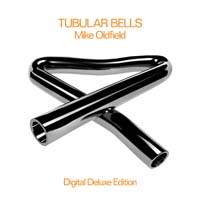 2022Tubular Bells: 50th Anniversary Celebration
 2008Music of the Spheres
 2005Light + Shade
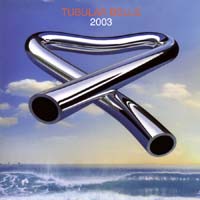 2003Tubular Bells 2003
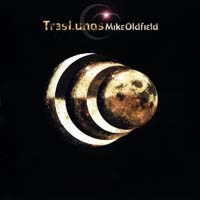 2002Tr3s Lunas
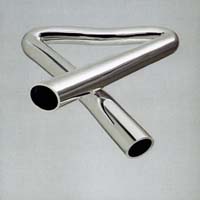 1998Tubular Bells III
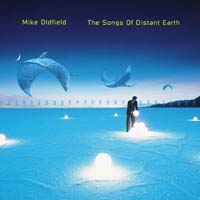 1994The Songs of Distant Earth
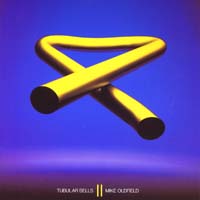 1992Tubular Bells II
 1991Heaven's Open
 1990Amarok
 1989Earth Moving
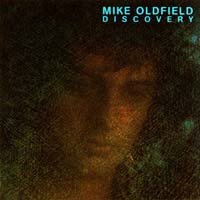 1984Discovery
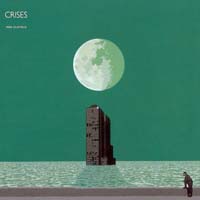 1983Crises
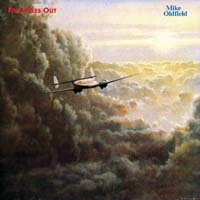 1982Five Miles Out
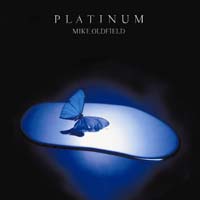 1979Platinum
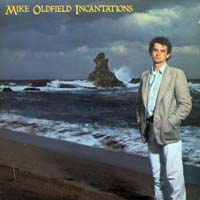 1978Incantations
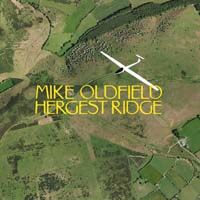 1974Hergest Ridge