
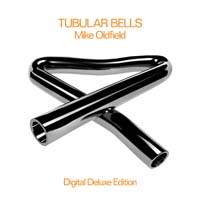
Review of Mike Oldfield – Return To Ommadawn
Return To Ommadawn- Album Overview
Released on January 20, 2017, "Return to Ommadawn" marks a significant moment in the discography of British musician Mike Oldfield. This album serves as a sequel to his iconic 1975 work "Ommadawn," which is often celebrated for its innovative blend of progressive rock and folk influences. The new album was released under the label Mercury Records and showcases Oldfield's return to his roots, both musically and thematically.
Recording took place at Oldfield's home studio in the Bahamas, a location that has inspired much of his work over the years. The album features a rich tapestry of sounds, highlighting Oldfield's skills as a multi-instrumentalist, as he plays a variety of instruments including guitars, keyboards, and percussion. Notably, the album features guest musicians such as the renowned vocalist and percussionist, who add depth to the intricate soundscapes that Oldfield is known for.
While "Return to Ommadawn" did not produce any traditional singles, it was well received by fans and critics alike, who appreciated its homage to the original Ommadawn while also showcasing Oldfield's evolution as an artist. The album embodies a mix of long instrumental compositions and melodic motifs, which are a hallmark of Oldfield's style. Its release was met with anticipation, signaling a resurgence of interest in progressive rock and the unique storytelling that Oldfield crafts through his music. This album not only serves as a nostalgic trip for long-time fans but also introduces a new generation to Oldfield's expansive musical vision.
Review
"Return to Ommadawn" captures the essence of Oldfield's musical journey, melding complex arrangements with ethereal melodies. The album is characterized by its seamless transitions between tracks, resulting in a cohesive listening experience that feels almost cinematic. Oldfield’s ability to craft long-form compositions is on full display, with tracks that evolve dynamically, inviting listeners to immerse themselves fully in the soundscape.
The lyrical content, while sparse, complements the instrumental narrative, with themes of nature and introspection woven throughout. Oldfield's artistic vision embraces a sense of nostalgia as he revisits the musical themes that defined his earlier work, all while incorporating contemporary elements that keep the sound fresh. The production quality is pristine, showcasing Oldfield's meticulous attention to detail and his desire to create an immersive auditory experience. Overall, the album is a testament to Oldfield's enduring talent and his ability to innovate while honoring his musical legacy.
Highlights
- Rich instrumental tapestry showcasing Oldfield's mastery of multiple instruments.
- Cohesive and immersive listening experience with seamless transitions between tracks.
- Nostalgic yet fresh take on the themes established in the original "Ommadawn."
Weak points
- Lack of traditional singles may limit mainstream appeal.
- Some listeners might find the long compositions challenging for casual listening.
- Occasional repetition of themes may detract from overall innovation.
Overall evaluation
"Return to Ommadawn" is a remarkable journey that successfully bridges Oldfield's past with his present. It stands as a worthy sequel to his classic work, inviting both longtime fans and newcomers to explore the depths of his musical artistry.
Personal rating: 8/10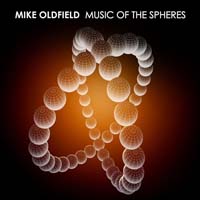 2008Music of the Spheres
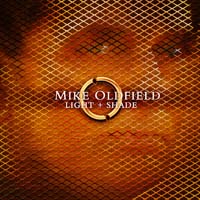 2005Light + Shade
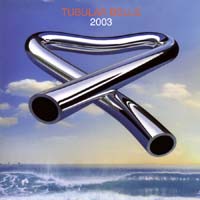 2003Tubular Bells 2003
 2002Tr3s Lunas
 1998Tubular Bells III
 1994The Songs of Distant Earth
 1992Tubular Bells II
 1991Heaven's Open
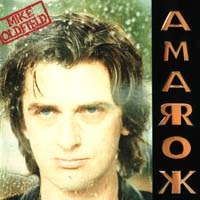 1990Amarok
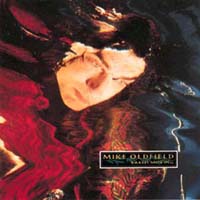 1989Earth Moving
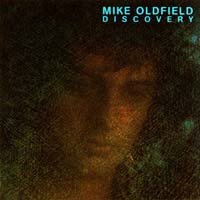 1984Discovery
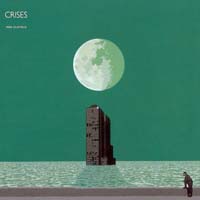 1983Crises
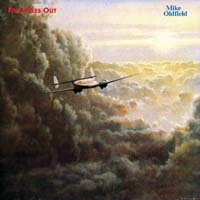 1982Five Miles Out
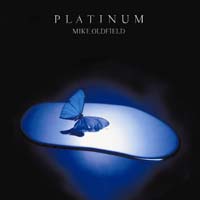 1979Platinum
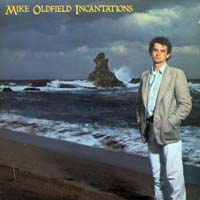 1978Incantations
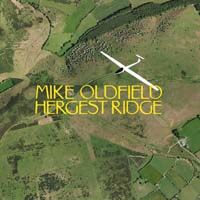 1974Hergest Ridge
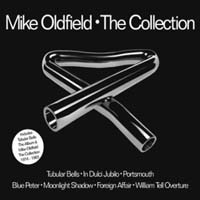 1973Tubular Bells