ALBUM NOTESReview of Mike Oldfield-Tubular Bells, Part 1: Version for Two Pianos and Two Synthesizers – Tubular Bells, Part 1: Version for Two Pianos and
Album overview
Mike Oldfield's "Tubular Bells, Part 1: Version for Two Pianos and Two Synthesizers" is an innovative reinterpretation of his seminal 1973 work, "Tubular Bells." Released in 2022, this version showcases the iconic themes and motifs through a unique arrangement for two pianos and two synthesizers, allowing for a fresh auditory perspective on the original composition. The project was produced under the Warner Music label, with Oldfield himself involved in the creative process, ensuring that the essence of the original is preserved while exploring new sonic territories.
The original "Tubular Bells" is widely regarded as one of the first successful instrumental albums, blending progressive rock and classical music, and has had a profound influence on the music industry. Oldfield’s original work was groundbreaking for its time, featuring a multi-instrumental approach and innovative layering techniques. In this new version, the interplay between the pianos and synthesizers highlights the intricate melodies and harmonies that make the piece timeless, while also appealing to contemporary audiences. The recording features collaboration with talented musicians who bring their own interpretations to Oldfield's vision, enriching the overall sound.
This release not only serves as a tribute to the original but also as a reminder of the album's cultural significance, particularly in its association with the film "The Exorcist," which introduced the music to a new generation. As a result, this version has been well-received for its ability to breathe new life into a classic while maintaining fidelity to its roots.
Review
The reinterpretation of "Tubular Bells" in this version is both fascinating and captivating. The dual piano arrangement adds a layer of intimacy to the piece, allowing the listener to focus on the melodic intricacies that might have been overshadowed by the original's full orchestration. The synthesizers complement the pianos perfectly, providing a modern edge that enhances the ethereal quality of the music.
Oldfield's artistic vision remains evident throughout, as he successfully bridges the gap between the timelessness of his classic work and contemporary musical influences. The lack of vocals allows the listener to immerse themselves fully in the textures and dynamics created by the instruments, fostering a meditative experience.
However, while the arrangement is undeniably skillful, some purists may argue that it lacks the raw energy and spontaneity of the original recording. Nevertheless, this version stands as a testament to Oldfield's enduring legacy and his continued ability to innovate within his craft.
Highlights
- Intricate piano arrangements that showcase the depth of the composition.
- Seamless integration of synthesizers that modernizes the sound.
- Preservation of the original's essence while offering a fresh perspective.
Weak points
- May not resonate with purists who prefer the original's orchestral richness.
- The arrangement could feel overly subdued for those expecting dramatic crescendos.
- Limited dynamic range in some sections may lead to moments of monotony.
Overall evaluation
Mike Oldfield's "Tubular Bells, Part 1: Version for Two Pianos and Two Synthesizers" is a thoughtful reimagining of a classic that retains its charm while introducing contemporary elements. It serves both as a homage to Oldfield's pioneering work and a standalone piece that invites listeners to experience the music in a new light.
Personal rating: 8/10
```

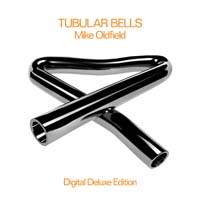
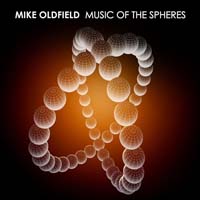 2008Music of the Spheres
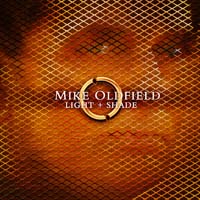 2005Light + Shade
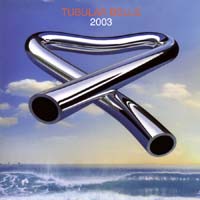 2003Tubular Bells 2003
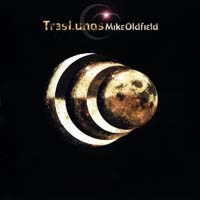 2002Tr3s Lunas
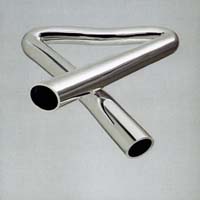 1998Tubular Bells III
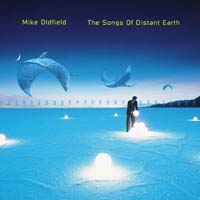 1994The Songs of Distant Earth
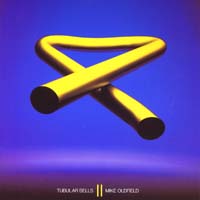 1992Tubular Bells II
 1991Heaven's Open
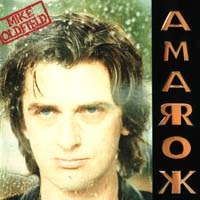 1990Amarok
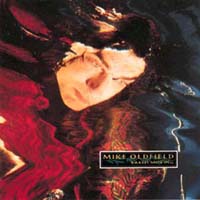 1989Earth Moving
 1984Discovery
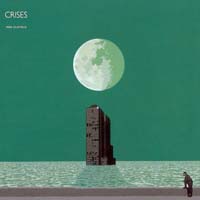 1983Crises
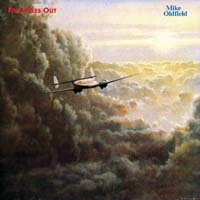 1982Five Miles Out
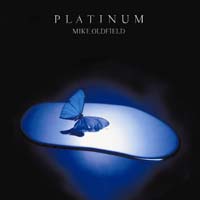 1979Platinum
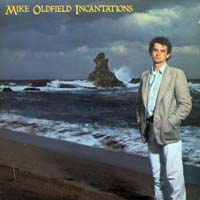 1978Incantations
 1974Hergest Ridge
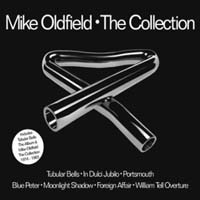 1973Tubular Bells