
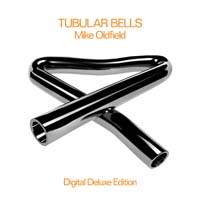
Inside the atmosphere of Mike Oldfield's Tubular Bells, Part 1
Tubular Bells, Part 1- Album Overview
Released in 1973, Mike Oldfield's "Tubular Bells, Part 1" stands as a landmark album in the progressive rock genre and is particularly notable for its pioneering use of multi-tracking and instrumental composition. Released on the Virgin Records label, the album was produced by Oldfield himself and marked a significant moment in the history of popular music. The opening track, "Tubular Bells (Part 1)," is an ambitious 25-minute instrumental suite that showcases Oldfield's virtuosity on multiple instruments, including guitar, piano, and various percussion instruments.
The album came to prominence not only for its innovative sound but also for its association with the horror film "The Exorcist," where a segment of the track was prominently featured, introducing a broader audience to Oldfield's work. The album was recorded at The Manor Studio, a facility owned by Virgin Records, which provided an intimate environment for Oldfield's creative exploration. Collaborators on the project included Richard Branson, who played a crucial role in securing a recording contract for Oldfield, and various musicians who contributed to the eclectic soundscape.
"Tubular Bells, Part 1" was released as a single in the UK and became a commercial success, reaching the top of the charts and solidifying Oldfield's status as a musical innovator. The album's blend of classical, rock, and folk elements, along with its complex structure and thematic depth, has made it a touchstone for music enthusiasts and a frequent subject of analysis in both historical and contemporary contexts. Its success paved the way for a new wave of instrumental rock music and inspired countless musicians across genres.
Review
The sound of "Tubular Bells, Part 1" is a masterclass in instrumental storytelling, seamlessly weaving various musical motifs and themes into a cohesive whole. Oldfield's use of the grand, sweeping melodies creates an atmospheric experience that draws listeners into a rich auditory landscape. The lack of lyrics allows the music to speak for itself, with each section of the suite presenting distinct moods and textures, from serene and contemplative to dramatic and intense.
Oldfield's artistic vision is evident in the meticulous layering of instruments, where the interplay of guitars, keyboards, and percussion creates a dynamic listening experience. The album's ability to evoke emotion without the use of traditional song structures showcases Oldfield's innovative approach to composition. This was a bold move in an era dominated by conventional rock songs, and it solidified Oldfield's reputation as a forward-thinking musician. The production techniques used in the album, such as tape manipulation and sound effects, were groundbreaking at the time and have influenced generations of artists.
Highlights
- The innovative use of multi-tracking and instrumental layering.
- Atmospheric and evocative melodies that transport the listener.
- The album's cultural significance, particularly its association with "The Exorcist."
Weak points
- The length may be daunting for some listeners unaccustomed to lengthy instrumental compositions.
- Occasional sections may feel repetitive or less engaging compared to others.
- Lack of traditional song structures might alienate mainstream rock audiences.
Overall evaluation
"Tubular Bells, Part 1" remains a seminal work in the landscape of progressive rock, showcasing Mike Oldfield's genius as a composer and musician. Its impact on music continues to resonate today, influencing countless artists and genres. The album is not only a sonic journey but also a reflection of a transformative moment in music history.
Personal rating: 9/10
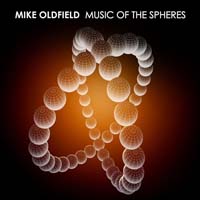 2008Music of the Spheres
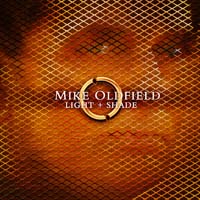 2005Light + Shade
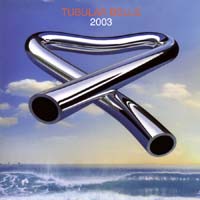 2003Tubular Bells 2003
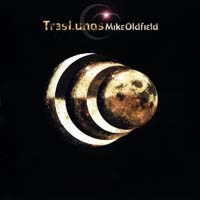 2002Tr3s Lunas
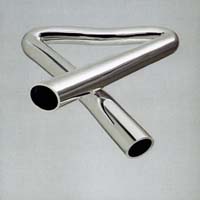 1998Tubular Bells III
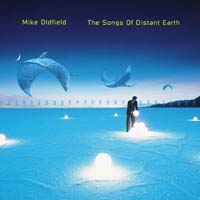 1994The Songs of Distant Earth
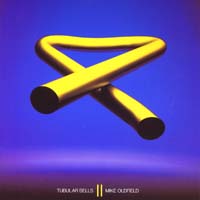 1992Tubular Bells II
 1991Heaven's Open
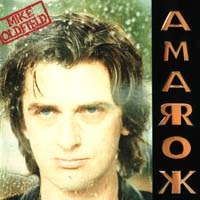 1990Amarok
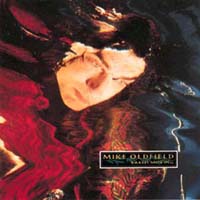 1989Earth Moving
 1984Discovery
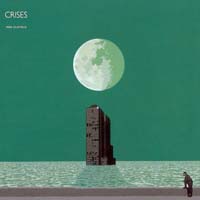 1983Crises
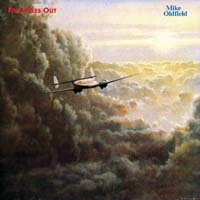 1982Five Miles Out
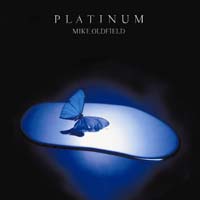 1979Platinum
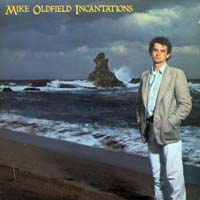 1978Incantations
 1974Hergest Ridge
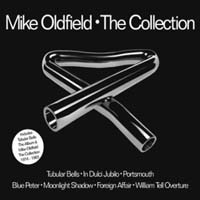 1973Tubular Bells