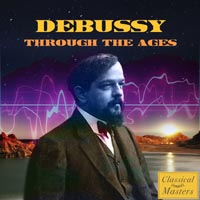
ALBUM NOTESAlbum spotlight: Claude Debussy-Trois Nocturnes / Jeux – Trois Nocturnes / Jeux
Album overview
Claude Debussy's "Trois Nocturnes / Jeux" is a seminal work in the realm of orchestral music, first performed in 1900 and 1913 respectively. This album showcases two of Debussy's notable compositions: "Trois Nocturnes," which consists of three movements—“Nuages,” “Fêtes,” and “Sirènes”—and the ballet "Jeux." The "Trois Nocturnes" was composed in response to the Impressionist movement, capturing the transient beauty of nature and the emotional depth of nighttime scenes. The orchestration is lush, featuring a rich palette of colors and innovative harmonies that were groundbreaking for their time.
The album, recorded by various orchestras, is often released under different labels, including Deutsche Grammophon and Chandos Records. Notable conductors such as Daniel Barenboim and Pierre Boulez have contributed to these recordings, bringing their unique interpretations to Debussy's complex textures. The "Trois Nocturnes" was particularly significant as it established Debussy as a leading figure in modern music and expanded the boundaries of orchestral composition. In contrast, "Jeux," with its thrilling dance sequences and intricate interplay of themes, further solidified Debussy's status, capturing the spirit of avant-garde ballet in the early 20th century.
Review
Debussy's "Trois Nocturnes / Jeux" is a captivating exploration of sound that transcends traditional classical music boundaries. The "Nocturnes" present an ethereal quality, with “Nuages” utilizing a brooding yet contemplative tone, while “Fêtes” bursts forth with vibrant energy, capturing the essence of a carnival atmosphere. The use of orchestral color and texture is masterful, creating an immersive listening experience that resonates with emotional depth.
"Jeux," on the other hand, is a bold venture into the realm of ballet, characterized by its fleeting themes and dynamic rhythm. The music is playful yet sophisticated, with a nuanced dialogue between the instruments that mirrors the choreography it accompanies. Debussy's ability to convey movement and emotion through music is remarkable, making this album a vital part of his oeuvre and a significant piece in the orchestral repertoire.
Highlights
- Innovative orchestration that redefined classical music.
- Rich emotional landscapes that evoke vivid imagery.
- Significant contributions to the Impressionist movement in music.
Weak points
- Some listeners may find the abstract nature challenging to connect with.
- Occasional lack of thematic cohesion in "Jeux" may confuse traditional ballet enthusiasts.
- The album may not appeal to those preferring more structured classical compositions.
Overall evaluation
"Trois Nocturnes / Jeux" stands as a testament to Debussy's innovative spirit and artistic vision. It is an essential listening experience that encapsulates the beauty and complexity of early 20th-century music.
Personal rating: 9/10
```