
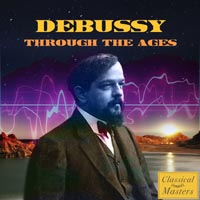
Claude Debussy raises the bar with La Mer / Fêtes / Iberia
La Mer / Fêtes / Iberia- Album Overview
"La Mer / Fêtes / Iberia" is a critically acclaimed album by the French composer Claude Debussy, released in 1950 by the Deutsche Grammophon label. This compilation features some of Debussy's most celebrated orchestral works, showcasing his impressionistic style that has had a lasting impact on classical music. The album includes three significant pieces: "La Mer," a symphonic poem that captures the essence of the sea; "Fêtes," a vibrant orchestration that depicts the festive spirit of a celebration; and "Iberia," which reflects Debussy's fascination with Spanish music and culture.
Originally composed between 1903 and 1910, these works were recorded by various orchestras, with notable performances by the Orchestre de Paris and the London Symphony Orchestra. The album's production involved meticulous attention to detail, ensuring the clarity and richness of Debussy's complex harmonies and textures were faithfully represented. Collaborators on this project included renowned conductors such as Herbert von Karajan and Pierre Boulez, both of whom played pivotal roles in bringing Debussy's vision to life.
The significance of "La Mer / Fêtes / Iberia" extends beyond its musical composition; it encapsulates the cultural shifts of the early 20th century, as Debussy's work paved the way for modernist approaches in music. The album remains a testament to Debussy's innovative spirit and his ability to evoke emotion through sound, making it a staple in classical music repertoires around the world.
Review
The album "La Mer / Fêtes / Iberia" is a captivating journey through Debussy's impressionistic landscape, where sound transcends mere notes to evoke vivid imagery and emotion. "La Mer" is particularly noteworthy, as it immerses listeners in the dynamic moods of the ocean, from calm waters to tempestuous storms, showcasing Debussy's skillful orchestration and use of color. "Fêtes" radiates joy and celebration, with its lively rhythms and bright melodies that transport the audience to a festive gathering. Meanwhile, "Iberia" stands out for its incorporation of exoticism, reflecting the influences of Spanish music, characterized by rich harmonies and intricate rhythms.
Debussy's artistic vision is evident in each piece, where he masterfully blends traditional classical elements with innovative approaches. The textures are lush, the harmonies are complex yet approachable, and the overall structure of each work feels fluid and organic. This album not only highlights Debussy's genius but also invites listeners to experience the world through his eyes, making it a timeless piece in the classical genre.
Highlights
- Masterful orchestration that vividly evokes imagery.
- Rich harmonic language that showcases Debussy's innovative style.
- Culturally significant works that reflect early 20th-century artistic movements.
Weak points
- Some listeners may find the impressionistic style less accessible than traditional classical forms.
- The recording quality varies depending on the orchestra and conductor, which can affect the overall experience.
- Lengthy compositions may require focused attention for full appreciation.
Overall evaluation
"La Mer / Fêtes / Iberia" is a remarkable representation of Claude Debussy's pioneering contributions to music, blending rich textures with emotional depth. Its cultural significance and artistic innovation continue to resonate with audiences today.
Personal rating: 9/10