

Travesia by Milton Nascimento: expectations vs reality
Travesia- Album Overview
"Travesia," released in 1979, is a seminal album by the Brazilian singer-songwriter Milton Nascimento. Known for his unique blend of Brazilian music styles, jazz, and folk, Nascimento showcases his innovative artistry on this record, which is often celebrated for its complex rhythms and emotional depth. The album was released under the Warner Bros. label and features collaborations with notable musicians, including the legendary Brazilian composer and musician, Wagner Tiso, who plays piano and keyboards throughout the album. The production of "Travesia" is marked by its lush arrangements, utilizing a variety of instruments that complement Nascimento's signature vocal style.
The album includes tracks like "Ponta de Areia," which has become one of Nascimento's most beloved songs, and "A Maçã," both of which highlight his ability to weave intricate melodies with profound lyrics. "Travesia" stands out not only as a musical project but also as a cultural artifact, reflecting Brazil's rich musical heritage while also pushing the boundaries of genre. The album's release came at a time when Brazilian music was gaining international attention, and Nascimento's work played a pivotal role in introducing the world to the intricacies of MPB (Música Popular Brasileira).
Despite not achieving the commercial success of some of his earlier works, "Travesia" remains a critical favorite, showcasing Nascimento's evolution as an artist. The album has been influential among musicians and listeners alike, emphasizing the importance of lyrical storytelling in music. Its themes of journey and connection resonate deeply with audiences, further solidifying Nascimento's status as a pivotal figure in Brazilian and world music.
Review
The sound of "Travesia" is a rich tapestry of Brazilian influences, marked by intricate melodies and harmonies that showcase Nascimento's vocal prowess. The album opens with "Ponta de Areia," a track that encapsulates the essence of longing and nostalgia, driven by gentle guitar strumming and soft percussion. Lyrically, Nascimento explores themes of love, nature, and the human experience, often drawing on personal reflections that resonate universally.
The artistic vision behind "Travesia" is cohesive yet diverse, as each track flows seamlessly into the next, creating an immersive listening experience. The arrangements are lush without being overpowering, allowing Nascimento's emotive voice to take center stage. Collaborations with other artists, such as Tiso, add depth to the instrumentation, enhancing the overall texture of the album. While the album may not cater to mainstream pop sensibilities, it rewards listeners with its authenticity and depth.
Highlights
- Complex and emotionally resonant lyrics that invite introspection.
- Lush instrumentation that perfectly complements Nascimento's vocal style.
- A seamless blend of various musical genres, showcasing Nascimento's versatility as an artist.
Weak points
- Some tracks may feel slow-paced to listeners seeking more upbeat sounds.
- The album's experimental nature might not appeal to everyone.
- Lack of commercial singles may limit its accessibility to a broader audience.
Overall evaluation
"Travesia" stands as a testament to Milton Nascimento's artistic vision and his ability to bridge the gap between personal and universal themes through music. While it may not cater to every listener's tastes, it undoubtedly offers a rich listening experience for those willing to delve into its depths.
Personal rating: 8/10 2006Perfil
 1986A barca dos amantes
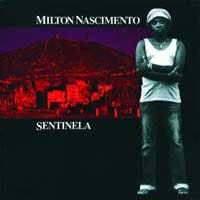 1980Sentinela
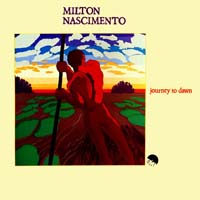 1979Journey to dawn
 1976Geraes
 1975Minas
 1973Milagre dos peixes
 1968Courage