
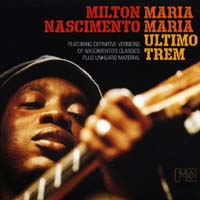
Milton Nascimento – Native Dancer: track-by-track perspective
Native Dancer- Album Overview
Released in 1976, "Native Dancer" is a landmark collaboration between Brazilian musician Milton Nascimento and American jazz legend Wayne Shorter. Issued by the label CTI Records, this album represents a significant fusion of Brazilian music and jazz, showcasing Nascimento's ethereal vocals and innovative compositions alongside Shorter's masterful saxophone work. The recording took place in New York City, where Nascimento sought to bridge cultural divides through music, bringing together a diverse group of musicians, including percussionist Airto Moreira and bassist Ron Carter.
“Native Dancer” features a mix of original compositions and interpretations, with the standout tracks including "Ponta de Areia" and "Cravo de Defunto." The album's sound is characterized by lush arrangements, intricate harmonies, and a blend of Brazilian rhythms with jazz improvisation, making it a defining work within both genres. The album was not only a commercial success but also played a pivotal role in introducing Brazilian music to a wider international audience during the 1970s.
Singles like "Na Baixa do Sapateiro" and "Ponta de Areia" received critical acclaim and helped cement Nascimento's reputation as a visionary artist. The cultural significance of "Native Dancer" lies in its ability to transcend geographical and musical boundaries, making it a timeless piece that resonates with both jazz enthusiasts and Brazilian music aficionados alike.
Review
"Native Dancer" is a beautifully crafted album that captures the essence of both Brazilian music and jazz innovation. Nascimento’s voice is a central element, soaring effortlessly over the rich, textured arrangements. The interplay between his vocals and Shorter’s saxophone creates a captivating dialogue, with each track unfolding like a story. The lyrics are infused with deep emotional resonance, reflecting themes of nature, love, and cultural identity.
Musically, the album is a testament to the power of collaboration, where Nascimento’s Brazilian influences seamlessly meld with Shorter’s jazz sensibilities. The production is polished yet retains an organic feel, allowing the musicians’ virtuosity to shine through. Each track offers a unique sonic landscape, from the infectious rhythms of "Ponta de Areia" to the haunting beauty of "Cravo de Defunto." Overall, "Native Dancer" stands as a high watermark in both artists' discographies, showcasing their artistic prowess and vision.
Highlights
- Exceptional vocal performance by Milton Nascimento, showcasing his range and emotional depth.
- Innovative fusion of Brazilian rhythms with jazz, creating a unique soundscape.
- Strong collaborative spirit, particularly evident in the interplay between Nascimento and Wayne Shorter.
Weak points
- Some tracks may feel too experimental for mainstream listeners.
- The album's pacing can be uneven, with some slower songs potentially losing listener engagement.
- Limited promotional efforts at the time of release may have hindered its initial reception.
Overall evaluation
"Native Dancer" is a masterful exploration of cultural and musical fusion, standing as a significant work in both Brazilian and jazz music. Its rich textures and emotional depth make it a timeless classic that continues to resonate with listeners today.
Personal rating: 9/10 2006Perfil
 1986A barca dos amantes
 1980Sentinela
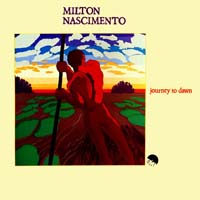 1979Journey to dawn
 1976Geraes
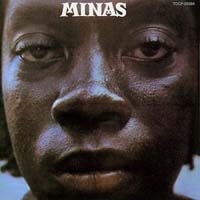 1975Minas
 1973Milagre dos peixes
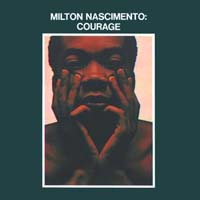 1968Courage