Album overview
Milton Nascimento's self-titled album "Milton," released in 1970, stands as a pivotal moment in Brazilian music, showcasing the fusion of MPB (Música Popular Brasileira) with elements of jazz and rock. The album was produced by Nascimento himself along with the legendary Brazilian musician and composer, Wagner Tiso. Recorded at the iconic Estúdio Eldorado in São Paulo, "Milton" features a blend of intricate melodies, lush harmonies, and poetic lyrics that reflect Nascimento's deep connection to Brazilian culture and nature.
The album includes notable tracks such as "Cais," "Ponta de Areia," and "Cravo e Canela," each displaying Nascimento's distinctive vocal style and innovative arrangements. Collaborators on the project include renowned musicians like the instrumentalist and composer, Toninho Horta, and the celebrated percussionist, Nana Vasconcelos. This album is significant not only for its musical innovation but also for its cultural impact, as it captured the essence of Brazil during a time of political upheaval and social change.
"Milton" was released under the label Odeon and quickly gained acclaim, becoming a classic in Brazilian music history. The singles "Cais" and "Ponta de Areia" gained particular popularity, showcasing Nascimento's unique ability to blend traditional Brazilian sounds with contemporary influences. This album solidified Nascimento's status as one of Brazil's most beloved and important musicians, influencing countless artists in Brazil and beyond.
Review
Milton Nascimento's "Milton" is a mesmerizing journey through sound and emotion, where every note resonates with the depth of the Brazilian spirit. The album's opening track, "Cais," immediately captivates listeners with its haunting melody and intricate rhythmic patterns, highlighting Nascimento's exceptional vocal range and emotive delivery. The lyrics weave rich imagery, reflecting themes of longing and connection, which are prevalent throughout the album.
Musically, the production is rich and textured, blending acoustic instruments with subtle electronic elements, creating an atmospheric soundscape that feels both timeless and innovative. Nascimento's ability to fuse genres is evident, as he effortlessly navigates between samba, bossa nova, and jazz influences, making each track a unique listening experience. His collaborations with other musicians add layers of complexity, enriching the overall sound and showcasing the collective talent involved.
Lyrically, Nascimento's work delves into personal and universal themes, reflecting on love, identity, and nature. His poetic approach elevates the music, inviting listeners to engage emotionally with each song. The album does not shy away from addressing socio-political issues, making it not just a musical endeavor but also a cultural statement that resonates with the Brazilian populace.
Highlights
- Exceptional vocal performance showcasing Nascimento's range
- Innovative fusion of traditional and contemporary musical styles
- Poetic and evocative lyrics that connect deeply with listeners
Weak points
- Some tracks may feel slow-paced for mainstream audiences
- Limited international recognition compared to contemporaries
- Occasional complexity in arrangements may overshadow lyrical clarity
Overall evaluation
Milton Nascimento's "Milton" is a landmark album that beautifully encapsulates the essence of Brazilian music and culture. Its innovative sound and profound lyrical content make it a timeless classic worthy of exploration.
Personal rating: 9/10
```


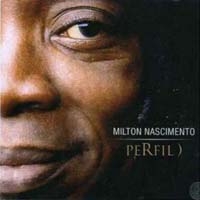 2006Perfil
 1986A barca dos amantes
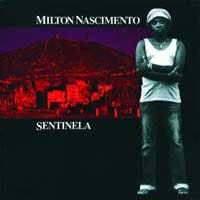 1980Sentinela
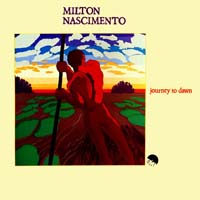 1979Journey to dawn
 1976Geraes
 1975Minas
 1973Milagre dos peixes
 1968Courage