
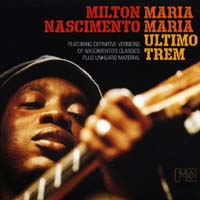
Inside the atmosphere of Milton Nascimento's Ao Vivo
Ao Vivo- Album Overview
Released in 1983, "Ao Vivo" is a live album by the acclaimed Brazilian musician Milton Nascimento, known for his unique fusion of MPB (Música Popular Brasileira), jazz, and folk elements. The album captures the essence of Nascimento's vibrant musical style and showcases his profound vocal abilities and poetic lyricism. Recorded during a series of performances in São Paulo, "Ao Vivo" features a selection of songs that span his extensive career, presenting both his well-known hits and deeper cuts that reflect his artistic vision.
The album was released under the Warner Music label and produced by Nascimento himself, who collaborated with talented musicians including guitarist Toninho Horta and pianist Wagner Tiso, both of whom have played pivotal roles in shaping Nascimento's sound. The production captures the energy of a live audience, immersing listeners in the atmosphere of Nascimento's concerts, which are known for their emotional depth and musical complexity.
"Ao Vivo" includes tracks like "Cais," "Ponteio," and "Cravo e Canela," which are celebrated for their intricate melodies and rich harmonies. The album not only reflects the personal experiences of Nascimento but also resonates with the socio-political landscape of Brazil during the 1980s, making it a significant cultural artifact. Singles such as "Cais" became anthems, further solidifying Nascimento's status as a leading figure in Brazilian music. The album's release was pivotal in introducing his sound to international audiences, contributing to the global appreciation of Brazilian music.
Review
"Ao Vivo" stands out as a testament to Milton Nascimento's artistic vision and his mastery of live performance. The album is a captivating blend of emotional intensity and technical prowess, with Nascimento's voice soaring through each track, imbued with passion and authenticity. The arrangements are lush and intricate, allowing for a seamless interplay between the musicians that elevates the listening experience. Nascimento's ability to convey deep emotion through his lyrics is particularly evident in tracks like "Cais," where he explores themes of longing and connection.
The production effectively captures the ambiance of a live setting, with the audience's reactions enhancing the overall experience. This connection between the artist and the audience is palpable, making the listener feel as though they are part of the performance. Nascimento's use of varied musical influences—including elements of jazz and traditional Brazilian rhythms—creates a rich soundscape that is both innovative and deeply rooted in cultural heritage. Overall, "Ao Vivo" is not just an album; it is an experience that showcases Nascimento's ability to transcend musical boundaries and connect with listeners on an emotional level.
Highlights
- Exceptional vocal performance showcasing emotional depth.
- Intricate arrangements that blend various musical styles.
- Authentic live atmosphere that enhances listener engagement.
Weak points
- Some tracks may be less accessible to casual listeners unfamiliar with Brazilian music.
- Occasional sound mixing inconsistencies characteristic of live recordings.
- Lack of studio polish may deter fans of more produced sounds.
Overall evaluation
"Ao Vivo" by Milton Nascimento is a remarkable live album that encapsulates the essence of his artistry and the vibrant spirit of Brazilian music. It is a must-listen for fans of MPB and those looking to explore the intricate world of Nascimento's sound. The album stands the test of time, revealing the depth of emotion and cultural resonance present in his music.
Personal rating: 9/10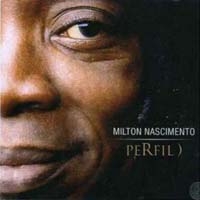 2006Perfil
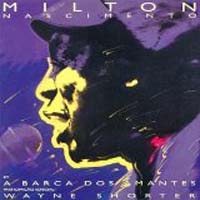 1986A barca dos amantes
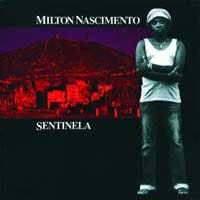 1980Sentinela
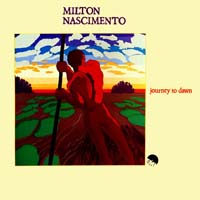 1979Journey to dawn
 1976Geraes
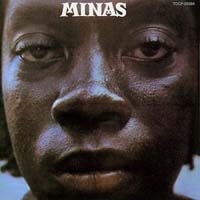 1975Minas
 1973Milagre dos peixes
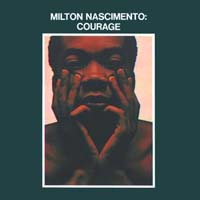 1968Courage