
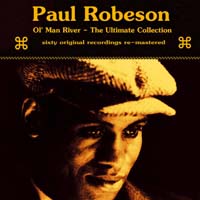
The evolution of Paul Robeson in The Voice of the Mississippi
The Voice of the Mississippi- Album Overview
"The Voice of the Mississippi," released in 1940, showcases the remarkable talent and evolution of Paul Robeson, a multifaceted artist known for his powerful baritone voice and commitment to social justice. This album, produced by the American Record Corporation and released under the Victor label, is a testament to Robeson's deep connection with folk traditions, as well as his ability to transcend genres. The recording sessions took place at a time when the civil rights movement was gaining momentum, and Robeson used his music as a platform to advocate for racial equality and social change.
The album features a collection of traditional African American spirituals, folk songs, and blues, highlighting the cultural significance of the Mississippi River in American history and music. Tracks such as "Ol' Man River" and "Go Down Moses" exemplify his ability to convey deep emotion and passion through song. Collaborators on this project included notable musicians of the era, contributing to the rich soundscapes that complement Robeson's resonant voice.
The singles released from the album received critical acclaim, further solidifying Robeson's status as a leading voice in American music. The blend of folk traditions with Robeson's theatrical background created a unique artistic vision, allowing listeners to engage with the historical and cultural narratives embedded in the songs. "The Voice of the Mississippi" stands as a vital piece in understanding not only Robeson's artistic journey but also the broader context of American music during a tumultuous period in history.
Review
The sound of "The Voice of the Mississippi" is characterized by its rich, authentic arrangements that evoke the spirit of the American South. Robeson's deep, sonorous voice commands attention, drawing listeners into the emotional heart of each track. The lyrics resonate with themes of struggle, resilience, and hope, reflecting the African American experience and the longing for freedom and dignity.
Artistically, Robeson’s vision is both ambitious and grounded. He blends the folk traditions of the South with a theatrical flair, engaging audiences not just through melody, but also through storytelling. The album serves as a cultural artifact, encapsulating the zeitgeist of its time while also resonating with contemporary social issues. Robeson’s interpretations are imbued with a sense of urgency and authenticity, making each song a poignant reflection of his personal beliefs and the collective experience of his people.
Highlights
- Powerful vocal performances that convey deep emotion.
- Rich arrangements that blend traditional folk sounds with theatrical elements.
- Culturally significant tracks that resonate with both historical and contemporary audiences.
Weak points
- Some tracks may feel dated to modern listeners unfamiliar with the genre.
- The production quality reflects the era, which might not meet current standards.
- Limited appeal outside of folk and historical music enthusiasts.
Overall evaluation
"The Voice of the Mississippi" is a profound reflection of Paul Robeson's artistic evolution and cultural impact. Its timeless themes and emotional depth continue to resonate, making it a significant work in the canon of American music.
Personal rating: 8/10