
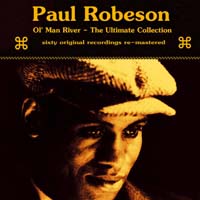
Unpacking Paul Robeson's Paul Robeson
Paul Robeson- Album Overview
The self-titled album "Paul Robeson," released in 1949, showcases the remarkable talent of the African American singer, actor, and civil rights activist Paul Robeson. This album was released under the Columbia Records label, featuring a compilation of folk songs and spirituals that reflect Robeson's rich vocal style and deep cultural roots. Known for his powerful baritone and emotive delivery, Robeson’s music transcended mere entertainment, serving as a platform for his social and political beliefs. The album includes notable tracks such as "Ol' Man River," "Deep River," and "Swing Low, Sweet Chariot," which highlight his affinity for traditional African American music and its cultural significance. Robeson recorded this album during a tumultuous time in America, just after World War II, when racial tensions were palpable and the civil rights movement was gaining momentum. Collaborators on the album included prominent musicians and arrangers who contributed to the rich orchestral backing that complemented Robeson’s voice. The production captures the essence of folk traditions while also integrating elements of classical music, creating a unique sound that appeals to a broad audience. The album is significant not just for its musicality but also for its context, as Robeson used his platform to speak out against racial injustice, making the album a testament to the intersection of art and activism.
Review
Highlights
- Robeson's powerful and emotive vocal delivery.
- The album's cultural significance and historical context.
- Rich orchestral arrangements that enhance the traditional folk sound.
Weak points
- Some tracks may feel dated to modern listeners.
- The production quality reflects the era and may lack the polish of contemporary recordings.
- Limited diversity in musical styles across the album.
Overall evaluation
Paul Robeson's "Paul Robeson" is a landmark album that not only showcases the artist's extraordinary vocal talent but also embodies the struggle and resilience of the African American community during a pivotal time in history. It stands as a powerful reminder of the role music plays in social change.
Personal rating: 8/10