Biography
Paul Robeson: history and sound
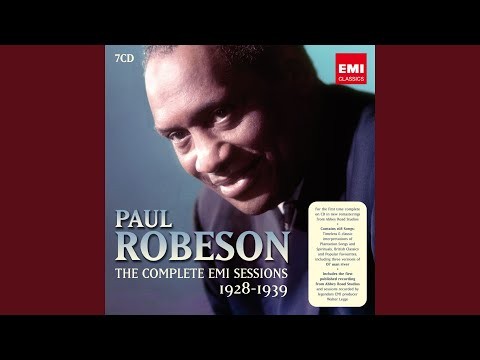
Paul Leroy Robeson (-?ro?bs?n- ROHB-s?n April 9, 1898 – January 23, 1976) was an American singer and actor who became involved with the Civil Rights Movement.
Paul Robeson - The Legend of Music, Art, and Activism
If you are a fan of music, chances are that you have heard of Paul Robeson, the singer, actor, and activist who used his art to challenge racial prejudice and advocate for social justice. He was a true Renaissance man, a triple threat who excelled in every aspect of his career. A gifted bass-baritone, Robeson captivated audiences with his deep, resonant voice and profound musical interpretations. In this article, we will explore the incredible life and legacy of this legendary artist, highlighting his most iconic songs and defining moments in his career.
Born in 1898 in Princeton, New Jersey, Paul Robeson grew up in a highly-educated, middle-class family. His father was a clergyman and his mother was a schoolteacher, both of whom instilled in him a strong sense of social responsibility and intellectual curiosity. Robeson's musical talent was apparent from a young age, and he went on to study voice at Rutgers University and Columbia University, where he also excelled in football and other sports.
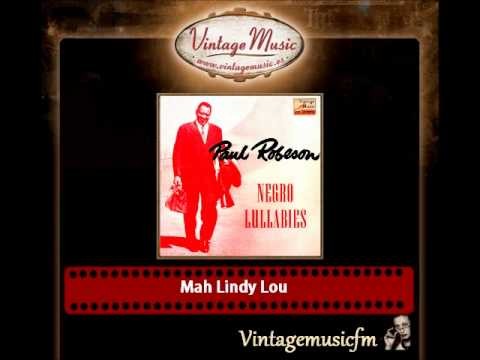
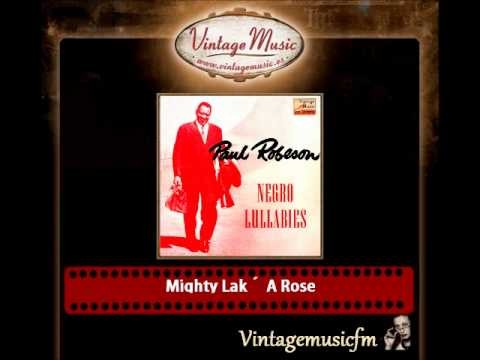
Robeson's music defied easy categorization, blending elements of classical, folk, spirituals, and world music. His repertoire was expansive, covering everything from Negro spirituals to Russian and Chinese folk songs. He sang in a deep, booming voice that was both powerful and soulful, imbuing each song with emotion and meaning. Some of his most iconic songs include Ol' Man River, Sometimes I Feel Like a Motherless Child, and Swing Low, Sweet Chariot.
As a performer, Robeson was known for his electrifying live shows, which often incorporated elements of theater and dance. He was a master storyteller, using his voice and body to convey the essence of each song. One of his most famous concerts was his 1952 performance at the Peace Arch Park on the U.S.-Canada border, where he sang to an audience of 40,000 people. His rendition of Ol' Man River brought the crowd to tears and cemented his reputation as a musical giant.
Robeson's activism was also a major part of his legacy. He was a tireless campaigner for civil rights, labor rights, and international peace. He used his celebrity status to raise awareness about issues of inequality and injustice, which often put him at odds with the government and conservative media. Despite facing persecution and blacklisting during the McCarthy era, he continued to speak out against racism and oppression, earning him a place in history as a fearless advocate for social change.
Blog
Paul Robeson was a singular figure in the world of music, an artist who transcended genre and medium to become a beacon of hope and inspiration. His legacy lives on today through his music and activism, reminding us that art can be a powerful force for social justice and human dignity. Whether you are a long-time fan or discovering Robeson for the first time, we hope this article has given you a deeper appreciation for this legendary figure in American culture. So the next time you hear his voice, remember the man behind the music, and the incredible impact he left on the world.
Paul Robeson - The Legend of Music, Art, and Activism
If you are a fan of music, chances are that you have heard of Paul Robeson, the singer, actor, and activist who used his art to challenge racial prejudice and advocate for social justice. He was a true Renaissance man, a triple threat who excelled in every aspect of his career. A gifted bass-baritone, Robeson captivated audiences with his deep, resonant voice and profound musical interpretations. In this article, we will explore the incredible life and legacy of this legendary artist, highlighting his most iconic songs and defining moments in his career.
Born in 1898 in Princeton, New Jersey, Paul Robeson grew up in a highly-educated, middle-class family. His father was a clergyman and his mother was a schoolteacher, both of whom instilled in him a strong sense of social responsibility and intellectual curiosity. Robeson's musical talent was apparent from a young age, and he went on to study voice at Rutgers University and Columbia University, where he also excelled in football and other sports.
Robeson's music defied easy categorization, blending elements of classical, folk, spirituals, and world music. His repertoire was expansive, covering everything from Negro spirituals to Russian and Chinese folk songs. He sang in a deep, booming voice that was both powerful and soulful, imbuing each song with emotion and meaning. Some of his most iconic songs include Ol' Man River, Sometimes I Feel Like a Motherless Child, and Swing Low, Sweet Chariot.
As a performer, Robeson was known for his electrifying live shows, which often incorporated elements of theater and dance. He was a master storyteller, using his voice and body to convey the essence of each song. One of his most famous concerts was his 1952 performance at the Peace Arch Park on the U.S.-Canada border, where he sang to an audience of 40,000 people. His rendition of Ol' Man River brought the crowd to tears and cemented his reputation as a musical giant.
Robeson's activism was also a major part of his legacy. He was a tireless campaigner for civil rights, labor rights, and international peace. He used his celebrity status to raise awareness about issues of inequality and injustice, which often put him at odds with the government and conservative media. Despite facing persecution and blacklisting during the McCarthy era, he continued to speak out against racism and oppression, earning him a place in history as a fearless advocate for social change.
Blog
Paul Robeson was a singular figure in the world of music, an artist who transcended genre and medium to become a beacon of hope and inspiration. His legacy lives on today through his music and activism, reminding us that art can be a powerful force for social justice and human dignity. Whether you are a long-time fan or discovering Robeson for the first time, we hope this article has given you a deeper appreciation for this legendary figure in American culture. So the next time you hear his voice, remember the man behind the music, and the incredible impact he left on the world.