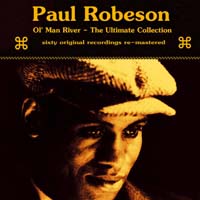
ALBUM NOTESBreaking down the themes in Spirituals by Paul Robeson
Spirituals- Album Overview
Paul Robeson's album "Spirituals," released in 1946, is a powerful collection that showcases the rich cultural heritage of African American music through traditional spirituals. Recorded during a pivotal time in American history, this album serves as a testament to Robeson's dedication to his roots and the struggle for civil rights. The album was produced under the Columbia Records label and features a selection of tracks that highlight Robeson's deep baritone voice, which is both emotive and commanding.
The album includes beloved spirituals such as "Swing Low, Sweet Chariot," "Go Down, Moses," and "Nobody Knows the Trouble I've Seen." The arrangements are characterized by a blend of traditional melodies and Robeson's unique interpretation, elevating the spirituals to new artistic heights. Collaborators on this project included prominent musicians and arrangers who helped shape the sound and presentation of these timeless pieces.
"Spirituals" not only showcases Robeson's vocal prowess but also reflects the cultural significance of the spirituals themselves, which originated in the African American community during slavery and became anthems of hope and resilience. The album is a poignant reminder of the struggles faced by African Americans, making it a vital work in both the music and cultural landscape of the time. The significance of this album extends beyond its musical merit, as it served as a vehicle for social change and awareness, making Paul Robeson a pivotal figure in both the arts and civil rights movements.
Review
Robeson's "Spirituals" is a masterclass in emotional expression, showcasing his ability to convey profound feeling through music. His interpretations of traditional spirituals resonate with authenticity, as he imbues each song with a sense of urgency and depth. The arrangements are simple yet effective, allowing Robeson's voice to take center stage. His baritone is rich and sonorous, capable of conveying both sorrow and joy, which is particularly evident in tracks like "Deep River" and "Sometimes I Feel Like a Motherless Child."
Lyrically, the songs reflect themes of struggle, hope, and faith, making them not just musical pieces but also narratives of the African American experience. Robeson's artistic vision embraces the spirituals' historical context while also elevating them into a form of protest and reflection on contemporary social issues. The album stands as a powerful reminder of the resilience of the human spirit in the face of adversity, making it a significant contribution to the genre and a crucial part of Robeson's legacy.
Highlights
- Robeson's powerful and emotive vocal performance.
- Authentic arrangements that honor the traditional roots of spirituals.
- Strong cultural and historical significance, resonating with themes of hope and resilience.
Weak points
- The production quality may feel dated compared to modern recordings.
- Some tracks may not resonate with contemporary audiences unfamiliar with the genre.
- Lack of variety in instrumentation could limit appeal for some listeners.
Overall evaluation
"Spirituals" by Paul Robeson is a heartfelt exploration of African American musical traditions, delivered with a level of passion and authenticity that few can match. It serves not only as a collection of songs but also as a vital cultural document that reflects the struggles and joys of a community.
Personal rating: 8/10