
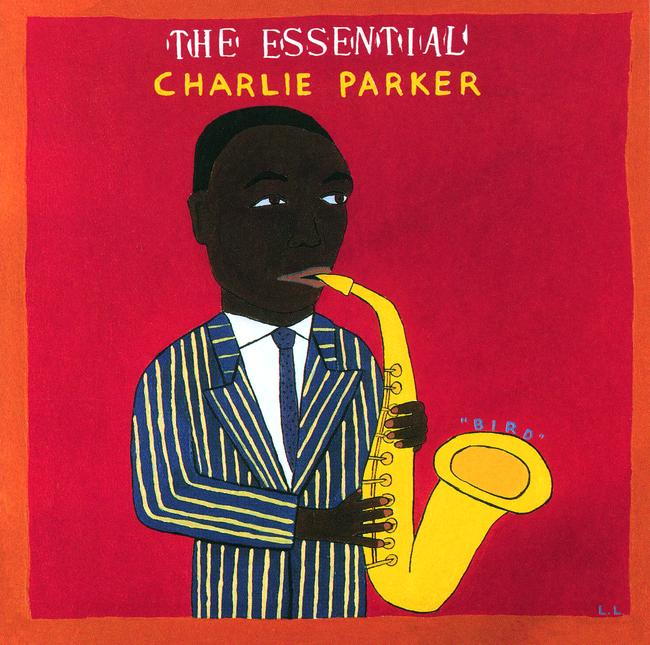
Charlie Parker – The Latin Bird: track-by-track perspective
The Latin Bird- Album Overview
"The Latin Bird," released in 1959, is an essential album in the discography of jazz legend Charlie Parker. This album was recorded during a pivotal time in the jazz scene, as Parker was exploring the intersection of bebop and Latin music, introducing a vibrant rhythmic complexity to his work. The album was produced by the renowned impresario Norman Granz and released under the Verve Records label. The recording sessions featured a rich ensemble of talented musicians, including the likes of Juan Tizol on trombone and the celebrated Latin percussionist Willie Bobo, who brought authentic Latin flair to the arrangements.
The album contains several standout tracks, including "Caravan," "Marmaduke," and "Cuban Be," each showcasing Parker's distinctive alto saxophone style while integrating Latin rhythms and melodies. The project was significant in its ability to blend jazz with Afro-Cuban influences, a reflection of the cultural exchange occurring in America during the late 1950s. Parker's innovative approach not only broadened the horizons of jazz but also contributed to the burgeoning Latin jazz movement, laying the groundwork for future fusion genres.
Despite its historical significance, "The Latin Bird" remained somewhat overshadowed by Parker's earlier bebop masterpieces. However, it is now recognized as a crucial entry in Parker's oeuvre that deserves appreciation for its cultural and musical contributions. The album encapsulates the spirit of an era where jazz was continually evolving, and Parker's genius shines through every note.
Review
The sound of "The Latin Bird" is a vibrant tapestry woven from Parker's intricate saxophone lines, punctuated by the lively rhythms that Latin music offers. The arrangements are both sophisticated and accessible, allowing listeners to appreciate the technical prowess of Parker while enjoying the infectious energy of the Latin influences. The fusion of jazz improvisation with Latin grooves creates a unique listening experience that is both exhilarating and refreshing.
Parker's artistic vision in this album reflects his willingness to experiment and push boundaries, showcasing his ability to adapt and innovate. The interplay between the musicians is masterful, with each track offering a fresh take on the jazz standard while incorporating elements that are distinctly Latin. The album stands out not just as a collection of songs but as a cohesive project that celebrates cultural diversity through music.
Highlights
- Dynamic fusion of bebop and Latin rhythms, showcasing Parker's innovative spirit.
- Exceptional musical chemistry among the ensemble, enhancing the album's overall sound.
- Tracks like "Caravan" and "Cuban Be" highlight Parker's virtuosic saxophone technique.
Weak points
- Some tracks may feel less cohesive compared to Parker's earlier works.
- Limited commercial success upon release may overshadow its artistic merit.
- Not all listeners may appreciate the blending of genres as it diverges from traditional bebop.
Overall evaluation
"The Latin Bird" is a significant contribution to both Charlie Parker's legacy and the jazz genre, blending the boundaries of musical styles in a way that feels both natural and groundbreaking. While it may not have achieved the same level of acclaim as some of Parker's earlier records, its cultural significance and artistic merit cannot be overstated.
Personal rating: 8/10