
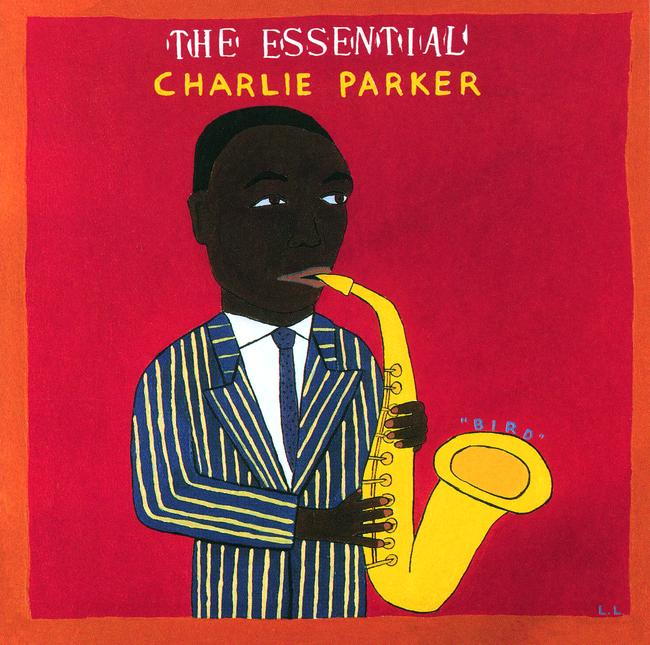
Listening to Charlie Parker Sextet by Charlie Parker
Charlie Parker Sextet- Album Overview
The "Charlie Parker Sextet" is a significant album in the world of jazz, released in 1949. This album showcases the genius of Charlie Parker, one of the most influential saxophonists in jazz history. The recording took place during a pivotal time in Parker's career, capturing the essence of the bebop movement that he helped pioneer. Released under the Dial Records label, the album features a notable lineup of musicians, including trumpeter Miles Davis, pianist Al Haig, bassist Tommy Potter, drummer Max Roach, and saxophonist Lee Konitz. This collaboration created a dynamic sound that solidified Parker's reputation as a revolutionary artist. The album consists of several tracks, including iconic pieces such as "Ornithology" and "Ko-Ko," which are celebrated for their complex chord progressions and innovative melodies. "Charlie Parker Sextet" stands as a testament to the technical prowess and improvisational skills of its contributors. The singles from this album have had a lasting impact on jazz music, influencing countless musicians and shaping the genre’s future. The cultural significance of this work cannot be overstated, as it encapsulates the essence of jazz in the late 1940s, introducing a new style that emphasized speed, agility, and intricate musical conversation. This album remains a critical part of jazz history and is often recommended for anyone looking to understand the evolution of this vibrant genre.
Review
The "Charlie Parker Sextet" is a masterclass in the art of jazz improvisation and composition. The album opens with "Ornithology," which immediately draws listeners into Parker's intricate world of bebop. His alto saxophone work is a blend of technical brilliance and emotional depth, delivering solos that are both rapid-fire and profoundly expressive. The interplay between Parker and Miles Davis is particularly noteworthy; their musical conversations create a rich tapestry of sound that showcases the strengths of each musician. The production quality of the album, typical of the era, captures the raw energy of the live performances, allowing listeners to feel the spontaneity and excitement characteristic of jazz. The tracks are filled with complex harmonies and syncopated rhythms, pushing the boundaries of traditional jazz and inviting audiences to experience a new musical language. Despite the lack of lyrics, the emotional narrative conveyed through the instruments speaks volumes, reflecting the struggles and triumphs of the time. Parker's artistic vision is evident throughout the album, as he continues to redefine jazz, making it more than just a genre, but a profound form of personal expression.
Highlights
- Groundbreaking improvisational techniques demonstrated by Parker and his band.
- A stellar lineup of jazz legends collaborating on a single project.
- The cultural and historical significance of the album in the bebop movement.
Weak points
- Some listeners may find the complexity of the music challenging to digest.
- The production quality may seem dated compared to modern recordings.
- Limited accessibility for those unfamiliar with jazz terminology and concepts.
Overall evaluation
The "Charlie Parker Sextet" stands as a monumental achievement in the history of jazz, showcasing the revolutionary spirit of bebop. Parker's virtuosity and the collaborative brilliance of his bandmates create an album that is both challenging and rewarding. Its enduring legacy continues to inspire musicians and listeners alike.
Personal rating: 9/10