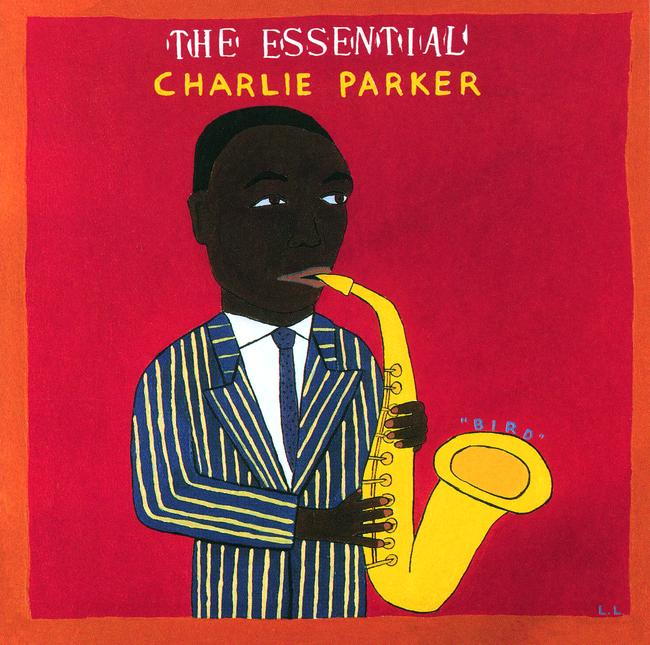
ALBUM NOTESReview of Charlie Parker-Dancing in the Dark – Dancing in the Dark
Album overview
Charlie Parker's "Dancing in the Dark," released in 1949, stands as a significant contribution to the jazz genre, particularly in the bebop style that Parker championed. This album, recorded under the Verve label, showcases Parker's virtuosic saxophone skills and innovative approach to improvisation. The recording sessions included notable collaborators such as pianist Walter Bishop Jr., bassist Teddy Kotick, and drummer Max Roach, all of whom played pivotal roles in shaping the album's sound. The album features a blend of original compositions and jazz standards, highlighting Parker's ability to reinterpret and infuse fresh energy into familiar melodies. Key tracks include the title track "Dancing in the Dark," which demonstrates Parker's lyrical phrasing and complex harmonics, and "Summertime," a jazz staple that Parker imbues with his signature style. The production quality of the album reflects the era's recording techniques, capturing the spontaneity and vibrancy of live jazz performances. "Dancing in the Dark" has since become a critical piece of Parker's discography, influencing generations of musicians and solidifying his legacy as one of jazz's most important figures.
Review
"Dancing in the Dark" is a showcase of Charlie Parker's unparalleled talent and artistic vision. The album's sound is characterized by intricate melodies, rapid tempo changes, and Parker's innovative use of harmony that pushed the boundaries of jazz at the time. The interplay between Parker and his bandmates creates a lively and spontaneous atmosphere, reminiscent of a live performance. The lyrical quality of Parker's saxophone playing is particularly evident in tracks like "Dancing in the Dark," where his ability to convey emotion through music shines. However, while the album is a celebration of bebop, it may present a challenge for listeners less familiar with the genre's complexity. The arrangements are intricate, demanding attention and patience to fully appreciate the nuances of Parker's improvisational style. Overall, the album is a testament to Parker's genius and his role in shaping modern jazz.
Highlights
- Exceptional musicianship and improvisational skills showcased throughout the album.
- Innovative arrangements that breathe new life into jazz standards.
- The emotional depth and lyrical expression in Parker's saxophone performances.
Weak points
- Complexity may alienate casual listeners unfamiliar with bebop.
- Some tracks may feel less accessible due to their intricate structures.
- Lack of vocal tracks may limit appeal for those who prefer lyrical content.
Overall evaluation
"Dancing in the Dark" is a quintessential jazz album that exemplifies Charlie Parker's brilliance as a musician and composer. Despite its complexity, the album rewards attentive listeners with its rich textures and emotive depth.
Personal rating: 9/10
```