
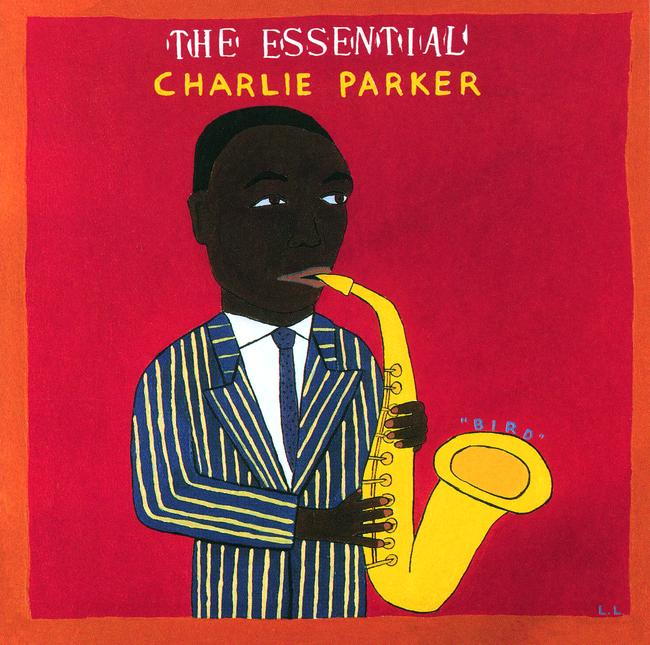
Charlie Parker – Charlie Parker: track-by-track perspective
Charlie Parker- Album Overview
The self-titled album "Charlie Parker," released in 1955, is a significant entry in the discography of the legendary jazz saxophonist and composer, Charlie Parker. Released under the Verve label, this album encapsulates Parker's innovative approach to jazz and his mastery of the alto saxophone, contributing to the development of bebop as a genre. The recording sessions took place in 1954, featuring a stellar cast of musicians, including the likes of Dizzy Gillespie on trumpet, Thelonious Monk on piano, and Max Roach on drums, all of whom were pivotal figures in the bebop movement.
The album includes some of Parker's most celebrated tracks such as "Ornithology," "Now's the Time," and "Ko-Ko," showcasing his virtuosic improvisational skills and complex melodic lines. This release not only highlights Parker's technical prowess but also his ability to convey deep emotion through music. The arrangements are intricate yet fluid, allowing for a seamless interplay between the musicians, which is a hallmark of jazz at its best. The cultural significance of "Charlie Parker" cannot be overstated; it stands as a testament to the evolution of jazz in the mid-20th century and offers a window into the life of an artist who forever changed the musical landscape.
Throughout his career, Parker faced personal challenges, including struggles with addiction, which add layers of complexity to his music. The album is a reflection of both his genius and his tumultuous life, resonating with listeners and influencing countless artists in the years that followed. "Charlie Parker" remains an essential listen for anyone looking to understand the roots and evolution of jazz, as it captures the essence of Parker's innovative spirit and the vibrant era in which he created.
Review
Charlie Parker's self-titled album is a masterclass in jazz, brimming with intricate melodies and complex harmonies that challenge both the performer and the listener. The opening track, "Ornithology," sets the tone with its frenetic pace and improvisational brilliance, showcasing Parker's unparalleled skill. Each track on the album serves as a canvas for Parker's profound creativity, allowing him to explore new musical territories while remaining rooted in the bebop tradition. The interplay between Parker and his collaborators is electric, with each musician bringing their unique voice to the ensemble. The production quality, characteristic of Verve records, captures the authenticity of live performances, making the listener feel as though they are part of an intimate jazz club setting.
While Parker's virtuosic saxophone lines are the focal point, the contributions from his bandmates are equally compelling, with Gillespie's trumpet adding a bright, soaring quality, and Monk's piano providing a rhythmic foundation that dances between the lines. The album stands out for its ability to blend technical proficiency with emotional depth, making it accessible yet sophisticated. Parker's artistic vision is clear: to push the boundaries of jazz while remaining deeply accessible, a feat that he accomplishes with each note played.
Highlights
- Exceptional musicianship from Parker and his collaborators.
- Innovative compositions that redefine jazz standards.
- A perfect balance of technical skill and emotional expression.
Weak points
- Some tracks may be too complex for casual listeners.
- A few moments of improvisation can feel overly chaotic.
- Limited variety in tempo and mood across the album.
Overall evaluation
"Charlie Parker" is an essential album for anyone interested in jazz, showcasing the genius of one of its most influential figures. The combination of technical brilliance, emotional depth, and innovative spirit makes it a timeless classic.
Personal rating: 9/10