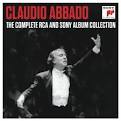
ALBUM NOTESInside Symphonie Nr. 4 / Symphonie Nr. 2 »kleinrussische« by Claudio Abbado
Symphonie Nr. 4 / Symphonie Nr. 2 »kleinrussische«- Album Overview
The album "Symphonie Nr. 4 / Symphonie Nr. 2 »kleinrussische«" features the masterful interpretations of renowned conductor Claudio Abbado, released in 1996 under the Deutsche Grammophon label. This recording showcases two symphonic works by the celebrated composer Antonín Dvo?ák: his Fourth Symphony, Op. 13, and the "Little Russian" Symphony, Op. 31, both of which are significant in the symphonic repertoire.
Abbado recorded this album with the Berlin Philharmonic, an orchestra known for its exceptional sound and technical prowess. The recording sessions took place in the acclaimed Philharmonie Berlin, a venue that greatly influences the overall tonal quality captured in this album. The "Little Russian" Symphony, inspired by Ukrainian folk themes, is particularly notable for its vibrant orchestration and rhythmic vitality, while the Fourth Symphony offers a more introspective and romantic view of Dvo?ák's early compositional style.
This album not only highlights Abbado's interpretative prowess but also serves to celebrate Dvo?ák's ability to blend traditional Czech elements with the broader European symphonic tradition. The album was well-received upon its release, praised for its clarity and emotional depth. It stands as a testament to Abbado's commitment to bringing classical music to a wider audience, making it an essential addition to the collection of both seasoned classical music lovers and newcomers alike.
Review
Claudio Abbado's interpretations on this album are nothing short of extraordinary. The sound is rich and textured, with each instrument clearly delineated in the mix, allowing listeners to appreciate the intricate interplay between the strings, woodwinds, and brass. Abbado's understanding of Dvo?ák’s stylistic nuances is evident, as he navigates the emotional landscapes of both symphonies with precision and sensitivity.
The "Little Russian" Symphony bursts with exuberance, capturing the essence of folk music while maintaining a classical structure. Abbado's dynamic control allows for thrilling crescendos and delicate pianissimos that breathe life into the work. In contrast, the Fourth Symphony feels more introspective, with Abbado drawing out the lyrical beauty of Dvo?ák’s melodic lines. The orchestra responds superbly, delivering a performance that feels both cohesive and spontaneously alive.
Overall, the recording stands out as a prime example of Abbado's artistic vision, demonstrating his ability to connect with the music and convey its emotional weight to the listener. The album resonates not just as a collection of symphonic works, but as a profound exploration of Dvo?ák's artistic voice.
Highlights
- Exceptional clarity in orchestration, allowing each instrument to shine.
- Dynamic range that showcases both exuberance and introspection.
- Abbado’s deep understanding of Dvo?ák’s style and emotional expression.
Weak points
- Some listeners may find the pacing of the Fourth Symphony a bit slow.
- Lack of supplementary context or liner notes for deeper insights into the works.
- Limited bonus content compared to other classical recordings.
Overall evaluation
"Symphonie Nr. 4 / Symphonie Nr. 2 »kleinrussische«" is a compelling and expertly performed album that showcases both Claudio Abbado's artistry and Dvo?ák's rich symphonic legacy. It is a must-have for any classical music enthusiast.
Personal rating: 9/10