
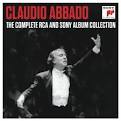
Piano Concertos No. 21 & 23: discovering Claudio Abbado's artistry
Piano Concertos No. 21 & 23- Album Overview
The album "Piano Concertos No. 21 & 23," featuring the celebrated works of Wolfgang Amadeus Mozart, was released in 1991 under the Deutsche Grammophon label. This recording showcases the remarkable artistry of conductor Claudio Abbado, who was known for his interpretations of classical repertoire and his ability to draw out the emotional nuances within the scores. In this album, Abbado collaborates with the distinguished pianist Maurizio Pollini, a long-time collaborator recognized for his virtuosic skill and interpretative depth.
The recording was made with the prestigious Berlin Philharmonic Orchestra, which Abbado conducted with great acclaim during his tenure. This collaboration results in a dynamic interplay between the orchestra and the piano, highlighting the unique characteristics of each concerto. The production quality reflects the high standards of Deutsche Grammophon, known for its meticulous attention to sound engineering, allowing listeners to fully appreciate the rich textures and intricate details of Mozart's compositions.
The album features two of Mozart's most beloved piano concertos, No. 21 in C major, K. 467, and No. 23 in A major, K. 488. These works are significant not only for their musical complexity and beauty but also for their cultural impact, as they remain staples in the concert repertoire and continue to inspire generations of musicians. The album serves as a testament to Abbado's interpretative vision and his commitment to bringing the classical canon to life.
Review
This recording of Mozart's Piano Concertos No. 21 and 23 under Claudio Abbado's direction is a masterclass in orchestral and pianistic synergy. Abbado's conducting is both sensitive and dynamic, allowing Pollini's piano to shine while ensuring the orchestra complements rather than overwhelms. The sound quality is pristine, capturing the delicate nuances of both the piano and the orchestra, resulting in a listening experience that feels intimate and grand at the same time.
Pollini's performance is nothing short of exceptional. He navigates the technical demands of the concertos with ease, delivering lyrical passages with a sense of serenity and precision. The interpretation of Concerto No. 21, particularly its second movement, is hauntingly beautiful, showcasing Pollini's ability to convey deep emotion through his playing. In Concerto No. 23, the lively interplay between the soloist and the orchestra creates an exhilarating atmosphere that is both joyful and contemplative.
Overall, this album encapsulates the essence of Mozart's genius while also reflecting Abbado's artistry as a conductor. The combination of Pollini's virtuosity and Abbado's insightful direction makes this a significant recording for both classical music enthusiasts and those new to Mozart's work.
Highlights
- Exceptional collaboration between Abbado and Pollini, enhancing the musical narrative.
- Pristine sound quality that captures the intricacies of both piano and orchestra.
- Emotionally resonant interpretations of beloved Mozart concertos.
Weak points
- Some listeners may prefer a more dynamic interpretation in certain passages.
- The album lacks additional context or commentary that could enhance understanding of the pieces.
- Limited selection of works, focusing solely on two concertos without supplementary pieces.
Overall evaluation
Claudio Abbado's "Piano Concertos No. 21 & 23" is a remarkable recording that showcases the brilliance of both the conductor and pianist. It's a definitive interpretation that captures the essence of Mozart's genius, making it a must-listen for classical music fans.
Personal rating: 9/10