
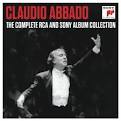
Review of Claudio Abbado – 21 Ungarische Tänze · Hungarian Dances
21 Ungarische Tänze · Hungarian Dances- Album Overview
The album "21 Ungarische Tänze · Hungarian Dances," conducted by the renowned maestro Claudio Abbado, was released in 1998 under the Deutsche Grammophon label. This engaging collection features orchestrations of the famous Hungarian dances originally composed by Johannes Brahms, along with works inspired by Hungarian folk themes. The recording showcases Abbado’s exceptional ability to interpret and breathe life into the rich cultural tapestry of Hungarian music.
Recorded with the Vienna Philharmonic, the album highlights Abbado's deep connection with the orchestra and his nuanced understanding of the music's emotional depths. This collaboration is particularly significant, as it reflects the longstanding tradition of the Vienna Philharmonic in performing and recording classical music with authenticity and virtuosity. The album includes some of Brahms' most beloved pieces, such as the Hungarian Dances No. 1, 5, and 6, which are infused with the spirit of Hungarian folk melodies.
Beyond its musical merits, "21 Ungarische Tänze" stands as a testament to Abbado's artistic vision, which often sought to bridge the gap between classical music and cultural heritage. The album not only serves as an auditory pleasure but also as a rich historical document that encapsulates the intersection of classical artistry and folk traditions. This record is considered a valuable addition to any classical music collection, showcasing how Abbado interpreted and celebrated the Hungarian spirit through the lens of orchestral music.
Review
Claudio Abbado's "21 Ungarische Tänze" is a vibrant celebration of rhythm and melody that captures the essence of Hungarian folk music through the lens of classical orchestration. The sound is crisp and dynamic, with the Vienna Philharmonic delivering a performance that is both technically proficient and emotionally resonant. Abbado's conducting is marked by a delicate balance between exuberance and sensitivity, allowing the character of each dance to shine through without overpowering the intricate textures of the orchestration.
The album flows seamlessly from one track to another, creating a cohesive listening experience that highlights the diversity of Hungarian dance forms. Abbado's interpretation emphasizes the lively spirit of the dances, inviting listeners to experience the joy and passion inherent in this music. Each piece is a narrative in its own right, woven together by the conductor's insightful choices and the orchestra's impeccable execution. Overall, the album stands as a compelling testament to Abbado's artistry and his dedication to bringing lesser-known works into the spotlight.
Highlights
- Exquisite orchestral performance by the Vienna Philharmonic
- Abbado's masterful interpretation of folk-inspired classical music
- The album’s ability to evoke the cultural spirit of Hungary through music
Weak points
- Some listeners may find the album lacks vocal elements that are often present in folk music
- The focus on orchestral arrangements may not appeal to those seeking traditional folk performances
- Limited information on the recording process could leave some curious about the behind-the-scenes aspects
Overall evaluation
Claudio Abbado's "21 Ungarische Tänze · Hungarian Dances" is a brilliant orchestral interpretation that brings the joy of Hungarian folk music to a classical audience. It demonstrates Abbado's impeccable conducting and the exceptional talent of the Vienna Philharmonic, making it an essential listen for classical music enthusiasts.
Personal rating: 9/10