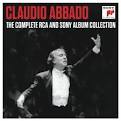
ALBUM NOTESMass In C Minor, K. 427: the next chapter for Claudio Abbado
Mass In C Minor, K. 427- Album Overview
The "Mass In C Minor, K. 427" is an exquisite work by Wolfgang Amadeus Mozart, and its interpretation by the renowned conductor Claudio Abbado offers a fresh perspective on this classical masterpiece. Originally composed in 1782, the mass showcases Mozart’s brilliance in choral and orchestral composition. This album, released in 1995 under the Deutsche Grammophon label, features Abbado conducting the Berlin Philharmonic and the Bavarian Radio Choir. The recording captures the intricate balance between the choir and orchestra, making it a pivotal addition to the catalog of Mozart's sacred works.
In this performance, Abbado collaborates with a distinguished lineup of soloists, including soprano Barbara Bonney, mezzo-soprano Anne Sofie von Otter, tenor Paul Agnew, and bass Franz-Josef Selig, who deliver powerful and moving interpretations of the vocal parts. The production quality is of the highest standard, reflecting the meticulous attention to detail that Abbado is known for. The album's significance extends beyond its musicality; it serves as an exploration of spiritual themes, showcasing the emotional depth and complexity of Mozart's writing.
The recording captures the dynamic contrasts and harmonic richness that define the mass, and Abbado’s interpretation is noted for its clarity and fervor. This album not only contributes to the understanding of Mozart's work but also highlights Abbado's legacy in bringing classical music to a wider audience, making it a significant entry in his extensive discography.
Review
Claudio Abbado’s interpretation of "Mass In C Minor, K. 427" is a tour de force that respects the traditional elements of Mozart’s composition while infusing it with a contemporary vitality. The sound is lush, with the orchestra and choir melding beautifully, creating an immersive listening experience. Abbado’s direction is characterized by its nuanced phrasing and dynamic contrasts, allowing the emotional weight of the music to resonate profoundly with the listener.
The soloists shine throughout the performance, with each voice bringing a unique color to the ensemble. Bonney's soprano is ethereal, while von Otter’s mezzo-soprano adds richness and warmth. The tenor and bass also provide a solid foundation, enhancing the overall texture of the mass. The balance between the choir and the orchestral forces is especially commendable, with Abbado achieving a level of clarity that allows the intricate polyphony to emerge without losing any of the work’s grandeur.
The artistic vision behind this recording is to celebrate the spiritual and humanistic themes present in Mozart's music, making it not just a musical performance but also a profound reflection on faith and community. Abbado’s ability to convey these themes through his interpretation marks a significant contribution to the classical genre, ensuring that "Mass In C Minor" remains a vital part of the concert repertoire.
Highlights
- The exceptional blend of choir and orchestra, creating a rich soundscape.
- Outstanding performances by the soloists, particularly in expressing the emotional depth of the music.
- Abbado's masterful direction, ensuring clarity and dynamism throughout the recording.
Weak points
- Some listeners may prefer a more historically informed performance style.
- The length of the work might be daunting for those unfamiliar with classical choral music.
- Occasional moments where the orchestration could overshadow the vocal lines.
Overall evaluation
Claudio Abbado's "Mass In C Minor, K. 427" is a remarkable interpretation that brings new life to a classical masterpiece. Through exceptional musicianship and thoughtful direction, this recording stands as a significant achievement in both Abbado's career and the classical music landscape.
Personal rating: 9/10