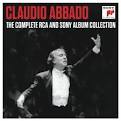
ALBUM NOTESWhy Claudio Abbado's Symphonie No. 3 "eroica" / Coriolan Ouve matters
Symphonie No. 3 "eroica" / Coriolan Ouve- Album Overview
Claudio Abbado's "Symphonie No. 3 "eroica" / Coriolan Ouve" is a remarkable album that showcases the conductor's profound interpretation of two monumental works in the classical repertoire. Released in 1995 under the Deutsche Grammophon label, this recording features the Berliner Philharmoniker, one of the world's leading orchestras. The album pairs Beethoven's "Eroica" Symphony No. 3, a piece that revolutionized the symphonic form, with his "Coriolan" Overture, a striking work that encapsulates the tension and drama of its titular character.
Abbado's deep commitment to the music is evident throughout the recording, which was captured in high-quality analog sound, allowing the nuances of the orchestra to shine. His collaboration with the Berliner Philharmoniker is particularly noteworthy, as he was the orchestra's principal conductor from 1990 to 2002. This period marked a resurgence of interest in classical music, and Abbado was pivotal in bringing innovative interpretations to traditional works. The album has been praised not only for its technical mastery but also for its emotional depth, allowing listeners to experience the full spectrum of human feeling that Beethoven intended.
The "Eroica" Symphony is often regarded as a turning point in music history, bridging the Classical and Romantic eras with its bold themes and complex structure. Similarly, the "Coriolan" Overture is a masterclass in orchestration and thematic development, making this album a significant cultural artifact. Each movement of the "Eroica" is explored with great sensitivity, and Abbado's direction allows the music to unfold with both power and grace. This recording remains a testament to Abbado's artistry and his ability to elevate the works of the great composers.
Review
Claudio Abbado’s interpretation of Beethoven’s "Eroica" Symphony is a breathtaking experience. The sound is rich and dynamic, with each section of the orchestra—strings, woodwinds, brass, and percussion—interplaying with remarkable clarity. Abbado's tempo choices breathe life into the symphony, allowing for an exhilarating build-up in the first movement, a reflective and poignant second movement, and a triumphant finale that resonates with optimism. The "Coriolan" Overture, while shorter, is no less impactful; Abbado captures the essence of conflict and resolution with an intensity that draws the listener in.
Abbado's artistic vision shines through in the way he balances the grand and the intimate moments within the pieces. The conductor’s ability to evoke emotion while maintaining structural integrity is commendable. Each note feels deliberate and purposeful, a testament to Abbado’s profound understanding of Beethoven’s intentions. This album stands as a significant contribution to the classical canon, appealing to both seasoned classical aficionados and newcomers alike.
Highlights
- Exceptional orchestral clarity and balance.
- Abbado's innovative interpretations breathe new life into classic works.
- Emotional depth, particularly in the second movement of the "Eroica".
Weak points
- Some listeners may prefer a more traditional interpretation of Beethoven.
- Occasional moments of tempo variation might be jarring for purists.
- The album lacks supplementary materials or liner notes that could enhance the listening experience.
Overall evaluation
Claudio Abbado's "Symphonie No. 3 "eroica" / Coriolan Ouve" is a masterfully crafted recording that showcases the conductor's deep understanding of Beethoven's works. It is both a historical document and a fresh interpretation that resonates with emotional power. This album is a must-listen for those seeking to explore the depths of Beethoven's genius through the lens of one of the 20th century's greatest conductors.
Personal rating: 9/