ALBUM NOTESInside Studio Trieste by Chet Baker
Studio Trieste- Album Overview
Chet Baker's "Studio Trieste," released in 1979, marks a significant entry in the discography of this iconic American jazz trumpeter and vocalist. Recorded in a small studio in Trieste, Italy, the album reflects Baker's enduring artistry and his deep connection to the European jazz scene, which he had embraced during the latter part of his career. This album was released under the Italian label Azzurra and features a collection of mellow, introspective tracks that showcase Baker's signature lyrical trumpet style and soft, haunting vocals.
The recording sessions brought together a talented ensemble, including Italian musicians such as pianist Andrea Pozza and bassist Giuseppe Bassi. Their collaboration creates a warm, intimate atmosphere that complements Baker’s expressive playing and fragile vocal delivery. The album consists of several notable tracks, including "My Funny Valentine," a classic that Baker often revisited, and "You Don't Know What Love Is," both of which highlight his ability to convey deep emotion through music.
Musically, "Studio Trieste" captures the essence of the cool jazz movement, characterized by its smooth melodies and subtle improvisations. The cultural significance of the album lies in its representation of Baker's later career, where he continued to innovate and inspire, despite facing personal challenges. "Studio Trieste" serves as a testament to Baker's resilience and his profound impact on jazz music, making it an essential listen for fans of the genre and a poignant reminder of his unique voice.
Review
"Studio Trieste" is a captivating album that encapsulates Chet Baker's trademark sound—a blend of lyrical beauty and emotional depth. The production quality is pristine, allowing each note to resonate with clarity, while the understated arrangement lets Baker's trumpet and voice take center stage. The overall sound is relaxed yet poignant, with a gentle swing that invites listeners to immerse themselves in the music.
Baker's interpretations of the standards featured on the album are both refreshing and nostalgic. His trumpet playing is characterized by its airy lightness, and his vocal performances are imbued with a sense of vulnerability that resonates deeply. The interplay between Baker and the accompanying musicians is seamless, creating a cohesive sound that feels both spontaneous and meticulously crafted.
While the album flows beautifully, it ultimately presents a reflective experience rather than a high-energy jazz session. Those seeking a more dynamic experience may find the pace to be a bit slow. However, for listeners attuned to the subtleties of jazz, "Studio Trieste" offers a profound exploration of themes like love and longing, captured through Baker's emotive lens.
Highlights
- Beautiful arrangements that enhance Baker's trumpet and vocal expressions.
- Impeccable musicianship from the Italian ensemble, creating an intimate listening experience.
- Timeless interpretations of jazz standards that showcase Baker's emotional depth.
Weak points
- The overall pace may feel slow for those expecting energetic jazz.
- Limited original compositions may not appeal to all listeners.
- Occasional predictability in the arrangements could detract from the listening experience.
Overall evaluation
"Studio Trieste" stands as a poignant chapter in Chet Baker's storied career, highlighting his ability to evoke deep emotions through his music. While it may not offer the dynamism some listeners seek, its beauty lies in its subtlety and intimacy.
Personal rating: 8/10

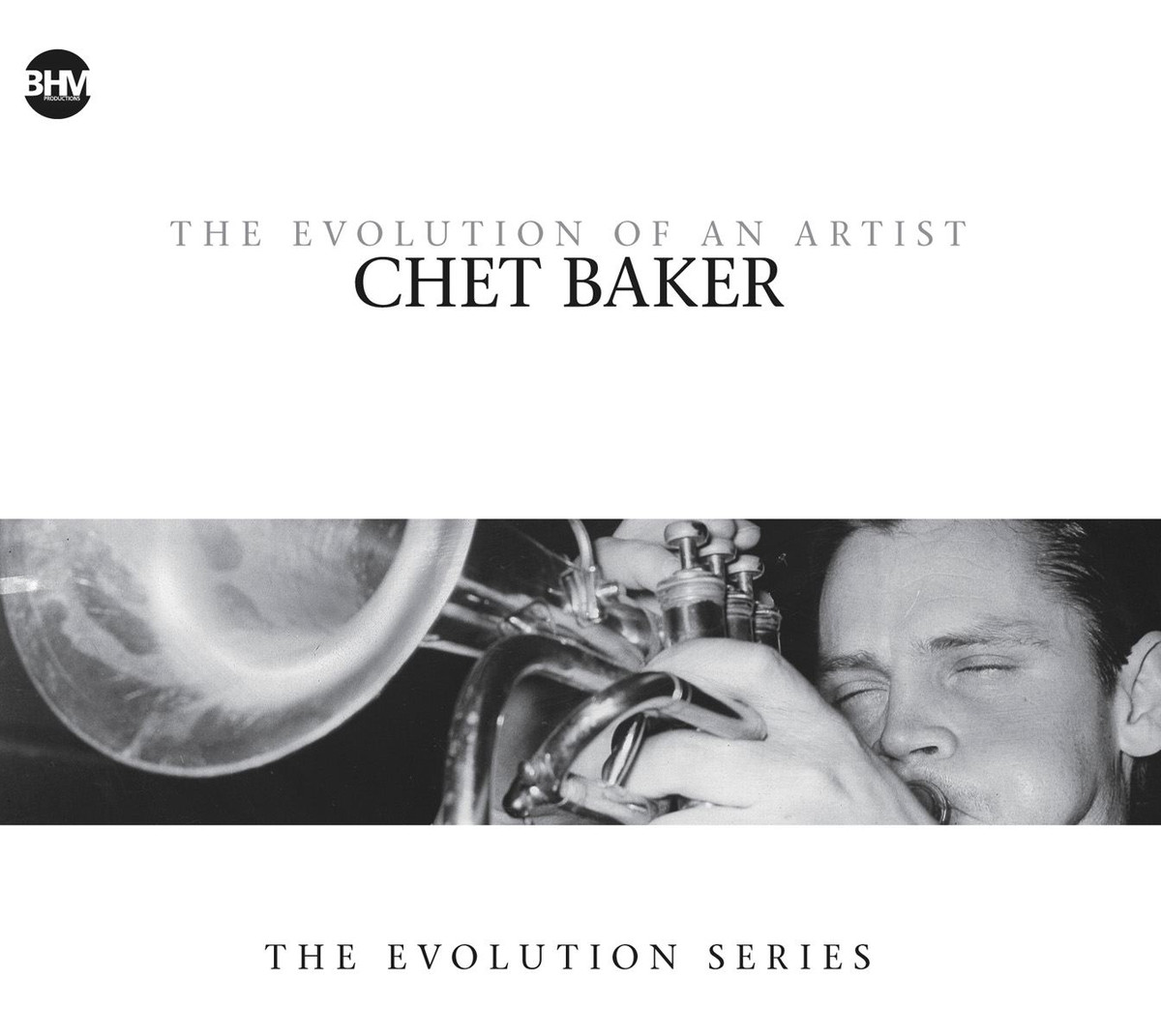
 1959Chet
 1954Chet Baker Sings