ALBUM NOTESA closer look at Chet Baker's album Stan Meets Chet
Stan Meets Chet- Album Overview
Stan Meets Chet, released in 1956, is a pivotal jazz album featuring the remarkable collaboration between two legendary figures: trumpeter Chet Baker and pianist Stan Getz. The album was produced by the renowned label Verve Records, which was instrumental in promoting some of the most iconic jazz artists of the 20th century. The recording sessions took place in Los Angeles, where both musicians were at the height of their careers, capturing a moment of artistic synergy that resonated deeply within the jazz community.
The album consists of a selection of well-crafted tracks that showcase the unique interplay between Baker's smooth, lyrical trumpet style and Getz's fluid, melodic saxophone playing. Notable tracks include "My Funny Valentine," "The Girl from Ipanema," and "It Could Happen to You," which highlight the duo's ability to blend intricate harmonies with emotive improvisation. The collaboration also features the talents of rhythm section players such as bassist Bob Whitlock and drummer Elvin Jones, adding depth and texture to the recordings.
Culturally, Stan Meets Chet stands out as a significant artifact of the West Coast jazz movement, which emphasized a more relaxed and melodic approach to jazz compared to its East Coast counterpart. The album is noteworthy not only for its musical merit but also for its contribution to the evolution of jazz during a transformative era. The seamless interactions between Baker and Getz exemplify the spirit of cooperation that characterized the genre during the 1950s, influencing countless musicians and listeners alike.
Review
Stan Meets Chet is a masterclass in melodic improvisation, with both Baker and Getz delivering captivating performances that are full of emotion and technical prowess. Each track is a dialogue, where Baker's soft, almost whisper-like trumpet contrasts beautifully with Getz's smoother, more lyrical saxophone lines. The album's arrangements are subtle yet effective, allowing the musicians' improvisational skills to shine without overshadowing the overall cohesion of the pieces.
The sound quality is pristine, a hallmark of Verve Records' production standards, and it captures the warmth of the instruments and the intimacy of the session. Baker's signature style—marked by its vulnerability and expressiveness—perfectly complements Getz's fluidity, creating a soundscape that is both soothing and invigorating. While the album doesn't dive into complex arrangements or avant-garde techniques, it excels in its simplicity and emotional depth, making it a timeless piece that resonates with listeners.
Highlights
- The seamless interplay between Chet Baker's trumpet and Stan Getz's saxophone.
- Emotionally charged performances that capture the essence of West Coast jazz.
- High production quality that enhances the listening experience.
Weak points
- A lack of experimental elements might not appeal to avant-garde jazz enthusiasts.
- Some tracks may feel repetitive in theme and structure.
- Limited original compositions, relying heavily on standards.
Overall evaluation
Stan Meets Chet remains a significant work in the jazz canon, showcasing the exceptional talents of two of the genre's most celebrated musicians. Its melodic charm and emotional resonance make it a must-listen for any jazz aficionado.
Personal rating: 8.5/10

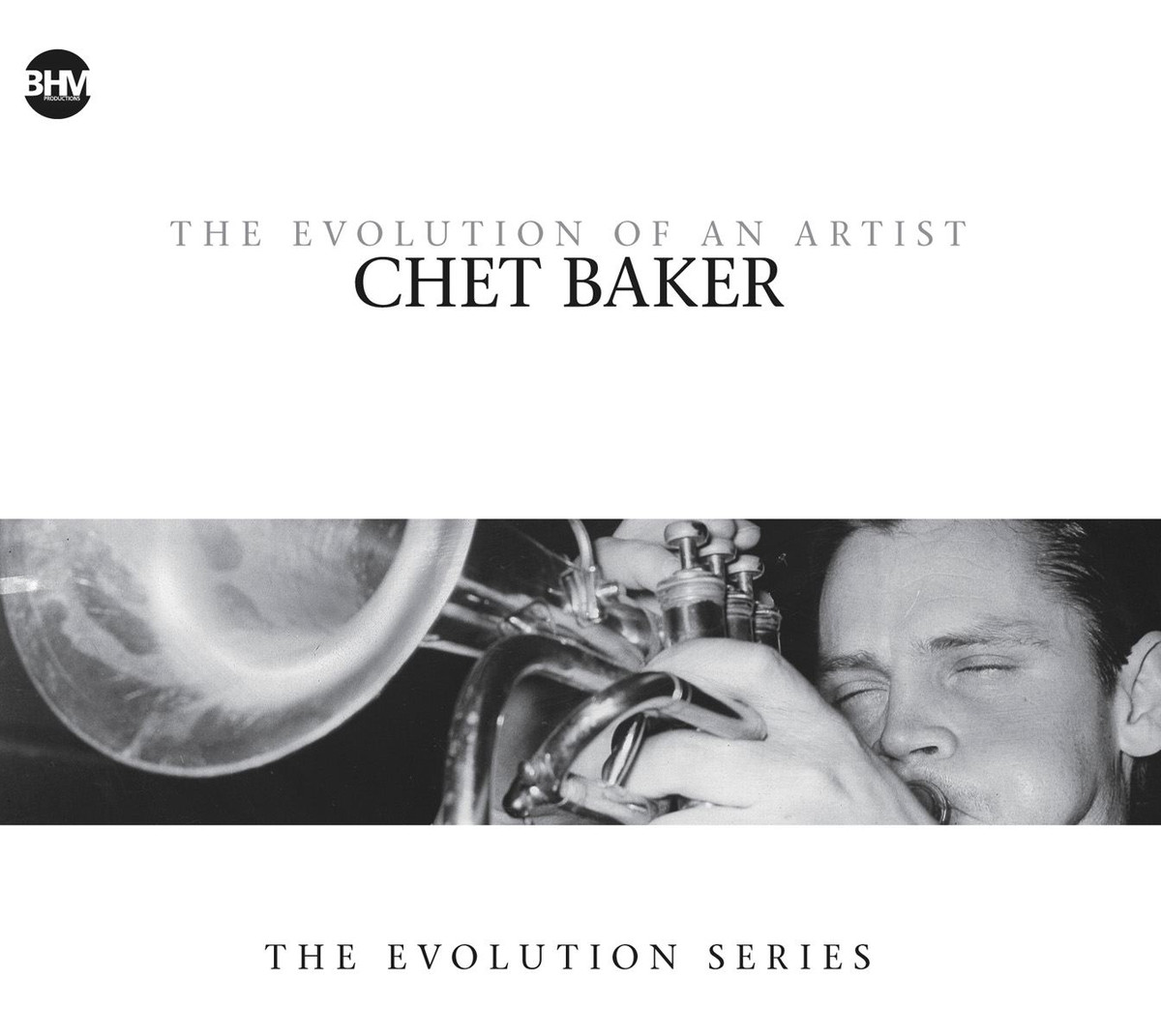
 1959Chet
 1954Chet Baker Sings