ALBUM NOTESA closer look at Chet Baker-All Blues's album All Blues
Album overview
The album "All Blues" by Chet Baker, released in 1979, stands as a significant entry in the realm of jazz music. Produced under the label Horizon Records, this album showcases Baker's exceptional talent as a trumpeter and vocalist, blending elements of cool jazz with a unique lyrical sensibility. The recording sessions took place in Los Angeles, with Baker collaborating with a variety of talented musicians, including pianist John Bunch, bassist John Leftwich, and drummer Paul Kreibich. The album comprises a collection of tracks that emphasize Baker's smooth, haunting sound, which has become emblematic of his style.
Among the notable tracks is the title piece "All Blues," which draws inspiration from the modal jazz movement spearheaded by artists like Miles Davis. The album not only features original compositions but also includes interpretations of jazz standards, showcasing Baker's ability to breathe new life into familiar tunes. The cultural significance of "All Blues" is underscored by its reflection of the jazz scene in the late 1970s, where Baker, despite personal struggles, continued to create music that resonated with audiences. The album is a testament to Baker's enduring influence on the genre, and it serves as a poignant reminder of his artistry during a period characterized by both triumphs and challenges.
Review
Chet Baker's "All Blues" delivers a captivating listening experience that exemplifies his prowess as a musician and storyteller. The album's sound is marked by its mellow, introspective quality, allowing Baker's trumpet to take center stage while his vocals add an intimate touch to the proceedings. Each track flows seamlessly into the next, creating an atmospheric journey that invites listeners to immerse themselves in its rich tonal palette. The arrangements, while simple, are effective in highlighting the nuances of Baker's playing and the emotional weight of his lyrics.
Lyrically, Baker maintains a poetic simplicity that resonates deeply, often exploring themes of love, longing, and the transient nature of life. His soft, almost whisper-like delivery enhances the emotional impact of the songs, making the listener feel as if they are privy to his most personal reflections. The artistic vision behind "All Blues" is one of vulnerability and authenticity, a hallmark of Baker's extensive career that continues to inspire new generations of musicians.
Highlights
- Beautifully crafted trumpet melodies that showcase Baker's signature sound.
- Intimate and poetic lyrics that resonate emotionally with listeners.
- Seamless integration of jazz standards with original compositions, highlighting Baker's versatility.
Weak points
- The production quality may feel dated to some listeners.
- Lack of diversity in tempo and style across the album's tracks.
- Some may find the album's introspective nature less engaging compared to more upbeat jazz offerings.
Overall evaluation
Chet Baker's "All Blues" is a poignant and beautifully executed album that encapsulates the essence of his musical genius. While it has its limitations, the album remains a significant work in Baker's discography and the jazz canon.
Personal rating: 8/10
```

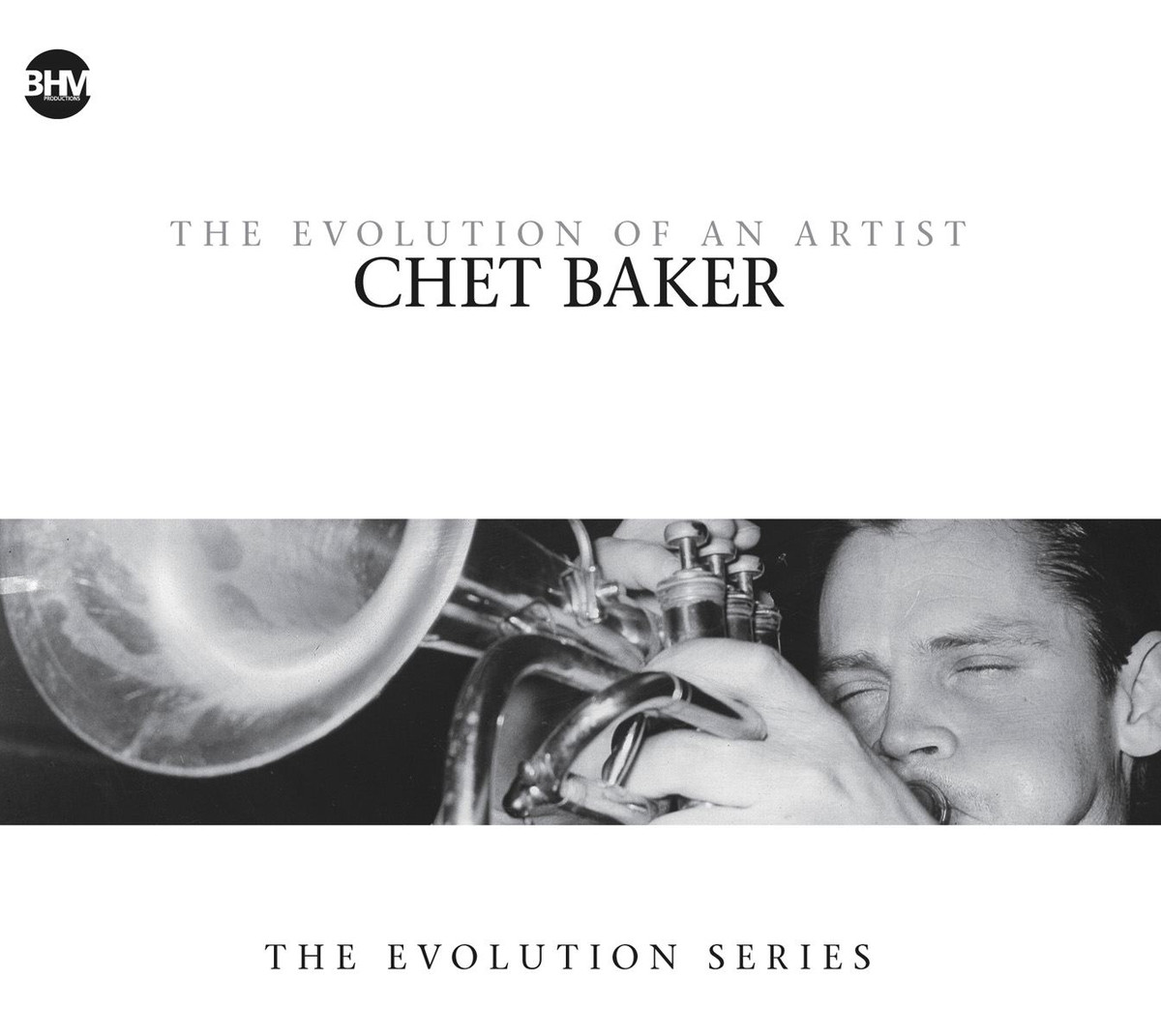
 1959Chet
 1954Chet Baker Sings