
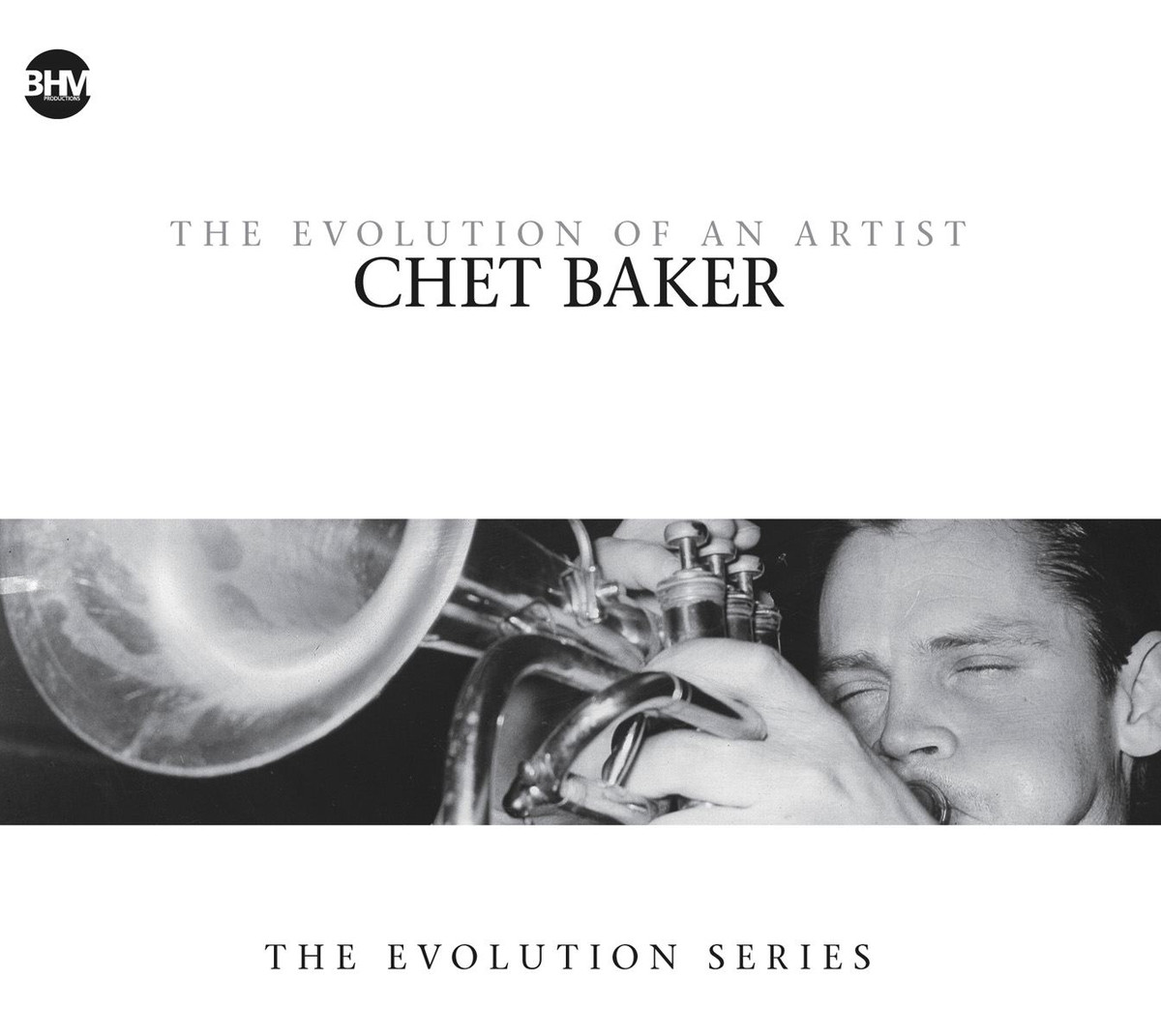
The evolution of Chet Baker in Crystal Bells
Crystal Bells- Album Overview
Released in 1979, "Crystal Bells" marks a significant entry in Chet Baker’s extensive discography. This album, produced by the renowned label ECM Records, showcases Baker's evolution as a jazz musician in the context of the late 20th century. Known primarily for his smooth, lyrical trumpet playing and emotive vocal style, Baker continues to explore both in this collection of tracks. The recording features a collaboration with a talented ensemble, including guitarist John Abercrombie, pianist Richie Beirach, bassist Dave Holland, and drummer Michael DiPasqua. Together, they create a rich tapestry of sound that complements Baker’s distinctive style.
With its blend of jazz, cool jazz, and elements of contemporary classical music, "Crystal Bells" showcases Baker's ability to adapt and innovate, while still remaining true to his roots. Notable tracks include the title piece “Crystal Bells,” which highlights Baker's hauntingly beautiful trumpet lines, and “My Funny Valentine,” a reimagining of one of his signature songs that resonates with a new depth. The album is significant not only for its musical content but also for its reflection of the era's shifting jazz landscape, as Baker navigated a complex personal life marked by struggles with addiction and eventual recovery. "Crystal Bells" serves as a testament to Baker's resilience and enduring artistry in the jazz genre.
Review
"Crystal Bells" is a mesmerizing exploration of sound that encapsulates Chet Baker's artistic vision at a pivotal moment in his career. The album opens with ethereal melodies that weave through Baker's trumpet, showcasing his signature soft tone and lyrical phrasing. The instrumentation is both subtle and sophisticated, with Abercrombie's guitar and Beirach's piano creating a lush backdrop that allows Baker's voice to shine. The interplay between the musicians is seamless, reflecting a deep mutual respect and understanding. The overall atmosphere of the album is introspective and reflective, inviting listeners to engage deeply with the music. Baker’s vocal tracks are emotionally charged, revealing a vulnerability that resonates throughout. While the album does not stray far from Baker's established style, it offers a refreshing take that highlights his adaptability and growth as an artist. The production is crisp, allowing each instrument to be heard clearly, which enhances the listening experience, making "Crystal Bells" a poignant chapter in Baker's storied legacy.
Highlights
- Beautiful interplay between instruments enhances the listening experience.
- Baker's emotive trumpet playing shines throughout the album.
- Significant exploration of both jazz and contemporary styles.
Weak points
- The album may feel slow-paced for listeners seeking more upbeat jazz.
- Some tracks may seem less memorable compared to Baker's earlier classics.
- Limited variety in musical themes across the album.
Overall evaluation
"Crystal Bells" stands as a beautiful testament to Chet Baker's resilience and artistry, capturing a moment of evolution in his musical journey. While it may not reach the heights of his earlier works, it remains a significant contribution to the jazz canon, showcasing his ability to adapt and innovate.
Personal rating: 8/10 1959Chet
 1954Chet Baker Sings