
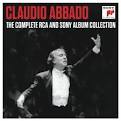
Sinfonietta / Tagebuch Eines Verschollenen by Claudio Abbado: expectations vs reality
Sinfonietta / Tagebuch Eines Verschollenen- Album Overview
Released in 1991, "Sinfonietta / Tagebuch Eines Verschollenen" features the esteemed conductor Claudio Abbado leading the Berlin Philharmonic Orchestra in a compelling interpretation of two significant works in the classical repertoire. The album showcases the "Sinfonietta" by Bohuslav Martin? and "Tagebuch Eines Verschollenen" by Janá?ek. The recording was released under the Deutsche Grammophon label, a prestigious platform known for its commitment to classical music excellence.
The "Sinfonietta," composed in 1926, is a vibrant orchestral work that reflects the innovative spirit of Martin?'s style, combining lyrical melodies with rhythmic vitality. On the other hand, "Tagebuch Eines Verschollenen" (Diary of One Who Disappeared), composed in 1912, is a poignant and intimate song cycle that tells the story of a young man's internal struggle and yearning. Janá?ek's work is noted for its emotional depth and unique vocal lines, often drawing on the Czech language's natural rhythms.
Abbado's collaboration with the Berlin Philharmonic has historically resulted in performances that are both technically precise and deeply expressive. This album is no exception, with Abbado's nuanced direction bringing out the distinct character of each piece. The recording captures the acoustic richness of the orchestra, allowing listeners to fully appreciate the intricate orchestration and the interplay between the instruments. The album has been praised not only for its artistic merit but also for its cultural significance, as it offers insights into the early 20th-century classical music landscape.
Review
The album opens with Martin?'s "Sinfonietta," which sets a lively tone with its rhythmic dynamism and bright orchestration. Abbado’s interpretation is energetic, showcasing the orchestra’s virtuosity while intertwining moments of introspection. The juxtaposition of contrasting themes is handled with finesse, creating an engaging listening experience. The second half transitions into Janá?ek’s "Tagebuch Eines Verschollenen," where the mood shifts to a more introspective and haunting atmosphere. The emotional weight of the narrative is palpable, with Abbado ensuring that the orchestra complements the vocal lines beautifully. The soprano's performance is both powerful and vulnerable, embodying the character's internal conflict. Overall, the artistic vision presented here is one of unity—blending two distinct works into a coherent thematic journey that highlights the struggles of the human experience.
Highlights
- Exceptional orchestral performance by the Berlin Philharmonic.
- Nuanced direction by Claudio Abbado that highlights emotional depth.
- Successful juxtaposition of two distinct yet complementary works.
Weak points
- Some listeners may find the transitions between the two pieces jarring.
- The emotional intensity of Janá?ek’s work may not resonate with all audiences.
- Limited availability in digital formats may hinder wider accessibility.
Overall evaluation
"Sinfonietta / Tagebuch Eines Verschollenen" is a remarkable album that showcases the brilliance of Claudio Abbado and the Berlin Philharmonic. The vivid contrasts between the two works present an enriching exploration of 20th-century classical music. While it may not cater to every listener’s taste, the album stands as a testament to the enduring power of orchestral and vocal music.
Personal rating: 8/10