ALBUM NOTESReview of Sparks – Propaganda
Propaganda- Album Overview
Sparks’ album "Propaganda," released in 1974, represents a significant moment in the duo's prolific career. The album showcases their unique blend of pop, art rock, and glam influences, encapsulated in a sound that is both innovative and eclectic. Released under the label Bearsville Records, "Propaganda" features a diverse array of tracks that explore themes of politics, identity, and social commentary, reflecting the complex landscape of the early 1970s. The recording sessions took place at the Record Plant in New York City, where the band collaborated with producer Muff Winwood, known for his work with other notable acts of the era.
The album includes standout singles such as "Something for the Girl with Everything" and "Never Turn Your Back on Mother Earth," both of which exemplify the band's quirky lyricism and catchy melodies. Sparks' distinct theatricality shines through in their music, with Russell Mael's soaring vocals complemented by Ron Mael's intricate keyboard arrangements. "Propaganda" is notable for its ambitious concept, which critiques consumerism and the media's influence on society. This thematic depth, combined with the band's playful yet poignant approach, has earned the album a place in the pantheon of 1970s rock.
Culturally, "Propaganda" is significant as it captures the spirit of an era marked by both political turmoil and artistic experimentation. Sparks' ability to weave complex narratives into their music resonates with listeners even today, influencing countless artists across genres. The album is often regarded as a precursor to the New Wave movement, with its innovative sound and aesthetic paving the way for future musical explorations.
Review
"Propaganda" is a testament to Sparks' artistic vision, showcasing their ability to meld catchy pop sensibilities with thought-provoking themes. The album opens with the infectious "Propaganda," immediately drawing listeners in with its lively tempo and clever wordplay. Lyrically, the album is rich with satire, as seen in tracks like “At Home, At Work, At Play,” where Sparks cleverly critiques modern life and the mundane routines that accompany it.
The musicianship on "Propaganda" is exemplary, with intricate arrangements that highlight the band's technical prowess. The use of synthesizers and unconventional song structures adds an avant-garde flair that sets Sparks apart from their contemporaries. While the album's playful nature invites listeners to enjoy its catchy melodies, the underlying commentary encourages deeper reflection on the messages conveyed.
Overall, "Propaganda" captures Sparks at their most inventive, skillfully balancing pop appeal with intellectual depth. The album’s eclectic sound and sharp lyrics not only resonate with the zeitgeist of the 1970s but also remain relevant in today's social and musical landscape.
Highlights
- Innovative blend of pop and art rock with catchy melodies.
- Thought-provoking lyrics that critique consumerism and media influence.
- Strong musicianship with intricate arrangements and engaging production.
Weak points
- Some tracks may feel too experimental for mainstream listeners.
- A few songs might lack the immediate impact of the album's standout singles.
- The album's concept may not resonate with all audiences.
Overall evaluation
"Propaganda" is an inventive and culturally significant album that showcases Sparks at their creative peak. It balances catchy pop with sharp social commentary, making it a compelling listen both then and now.
Personal rating: 8/10


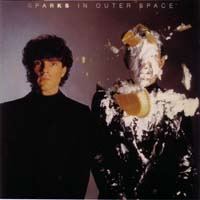 1983In Outer Space
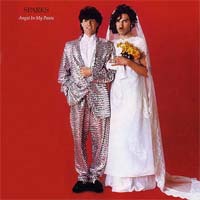 1982Angst in My Pants
 1981Whomp That Sucker
 1980Terminal Jive
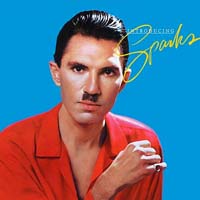 1977Introducing Sparks
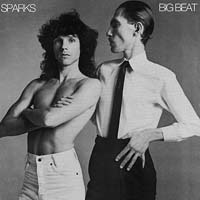 1976Big Beat
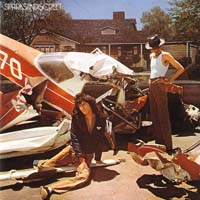 1975Indiscreet
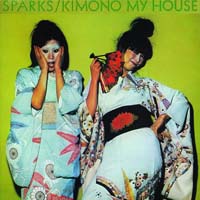 1974Kimono My House
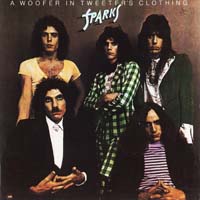 1968A Woofer in Tweeter's Clothing