ALBUM NOTESA closer look at Sparks's album Gratuitous Sax & Senseless Violins
Gratuitous Sax & Senseless Violins- Album Overview
Gratuitous Sax & Senseless Violins, released in 1994, is the eleventh studio album by the innovative pop duo Sparks, consisting of brothers Ron and Russell Mael. This album marked a significant point in their career, showcasing their unique blend of glam rock, new wave, and art pop. Released under the label Reprise Records, the album was produced by the band themselves along with the assistance of renowned producer and collaborator, Tony Visconti, known for his work with David Bowie and T. Rex.
The recording took place in various studios, including the famed Abbey Road Studios in London. The duo's distinct sound is characterized by catchy melodies, sharp lyrics, and an eclectic mix of instruments, prominently featuring saxophones and orchestral elements, which tie into the album's title. The album spawned several singles, most notably "When Do I Get to Sing 'My Way'," a clever twist on Frank Sinatra's classic, which received considerable airplay and critical praise.
Gratuitous Sax & Senseless Violins is often lauded for its playful yet introspective take on fame, identity, and the music industry, encapsulating the band's signature wit and satirical style. The album's cultural significance lies in its ability to transcend typical genre classifications, appealing to both mainstream and art music audiences.
Review
Sparks's artistic vision shines brightly in Gratuitous Sax & Senseless Violins, as the duo masterfully balances catchy pop hooks with thought-provoking lyrics. The album opens with “When Do I Get to Sing 'My Way',” setting the tone for a collection that’s both reflective and irreverent. The instrumentation is rich and varied, with the saxophones adding a lush layer that complements the band’s cinematic soundscapes.
Lyrically, the album navigates themes of identity and the absurdity of fame, encapsulated in tracks like “I Thought I Told You to Wait in the Car” and “The Ghost of Liberace.” The humor and irony present in their lyrics invite listeners to engage with the material on multiple levels, making each listen a new experience.
While the overall production is polished, there are moments where the complexity of arrangements may overwhelm the straightforward pop sensibilities that some listeners might expect. Nevertheless, Sparks manages to deliver an album that is both ambitious and accessible, showcasing their prowess in creating art that resonates across generations.
Highlights
- Innovative and catchy melodies that linger long after listening.
- Witty and introspective lyrics that explore fame and identity.
- A diverse range of musical influences, blending pop, rock, and orchestral elements.
Weak points
- Some tracks may feel overly complex for casual listeners.
- The production, while polished, can occasionally overshadow lyrical content.
- Not all songs maintain the same level of impact, leading to a few weaker moments.
Overall evaluation
Gratuitous Sax & Senseless Violins is a testament to Sparks's enduring creativity and ability to challenge conventions. While it may not be their most commercially successful album, it stands out as an important work in their discography, reflecting the band's unique position in the music landscape.
Personal rating: 8/10


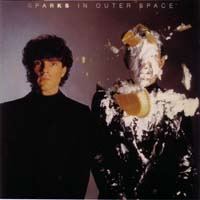 1983In Outer Space
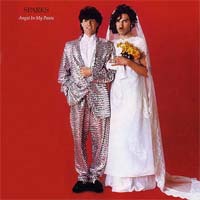 1982Angst in My Pants
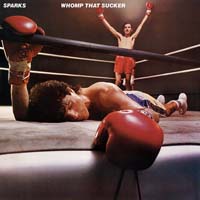 1981Whomp That Sucker
 1980Terminal Jive
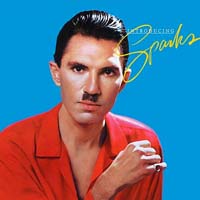 1977Introducing Sparks
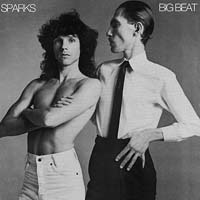 1976Big Beat
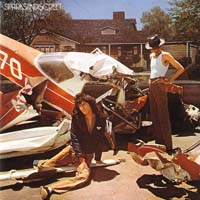 1975Indiscreet
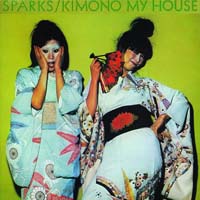 1974Kimono My House
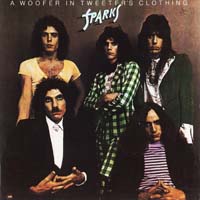 1968A Woofer in Tweeter's Clothing