

Listening guide: Sparks's Music That You Can Dance To
Music That You Can Dance To- Album Overview
"Music That You Can Dance To" is the sixth studio album by the American rock band Sparks, released in 1979. This album marked a significant shift in the band's sonic landscape, showcasing a more disco and dance-oriented sound compared to their earlier works. Produced by the band themselves, the album was released under the label "Bearsville Records." The recording sessions took place in Los Angeles, where Sparks sought to blend their unique art-pop sensibilities with the burgeoning disco movement of the late 1970s.
The album features a total of nine tracks, with notable singles such as "The Number One Song in Heaven," which exemplifies their knack for catchy hooks and theatrical melodies. Collaborating with long-time partner and producer, Geoff Emerick, known for his work with The Beatles, Sparks crafted a sound that was both innovative and accessible. Although the album didn't achieve massive commercial success upon release, it has since been recognized for its forward-thinking approach and has garnered a cult following.
Musically, "Music That You Can Dance To" is characterized by its infectious rhythms, layered synths, and clever lyrical content that often satirizes pop culture. The cultural significance of the album lies in how it illustrates Sparks's ability to adapt and evolve, foreshadowing the merging of rock and disco that would come to define the late 70s and early 80s music scene. Its influence can be seen in later artists who blend similar genres and theatrical elements in their performances.
Review
The sound of "Music That You Can Dance To" is a playful yet sophisticated amalgamation of disco, pop, and rock elements. Sparks's signature wit shines through in the lyrics, which often juxtapose light-hearted melodies with deeper themes of love, fame, and existential musings. The production is polished, with an emphasis on rhythmic grooves that invite listeners to the dance floor. Tracks like "The Number One Song in Heaven" and "Tryouts for the Human Race" highlight the band's ability to create songs that are both danceable and intellectually stimulating, showcasing their artistic vision and unique approach to songwriting.
While the album aligns with the dance trends of its era, it also retains a distinct personality that sets it apart from contemporaneous disco acts. The clever arrangements and inventive instrumentation reflect Sparks's prowess in pushing musical boundaries, making the album a noteworthy contribution to the disco genre. However, some critics have noted that the album’s dance-centric approach might alienate fans of their earlier, more rock-oriented style.
Highlights
- Catchy and infectious melodies that invite listeners to dance.
- Cleverly written lyrics that balance humor and introspection.
- Innovative production that merges rock and disco elements seamlessly.
Weak points
- May feel less accessible to fans of their earlier rock-oriented sound.
- Some tracks might be seen as formulaic within the disco genre.
- Lack of commercial success at the time of release could overshadow its artistic merit.
Overall evaluation
"Music That You Can Dance To" highlights Sparks's ability to innovate within the music landscape, creating a unique fusion of genres while maintaining their distinctive identity. Although it may not have achieved the commercial heights of some contemporaries, its artistic significance and infectious charm have solidified its place in music history.
Personal rating: 8/10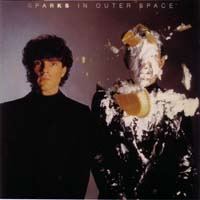 1983In Outer Space
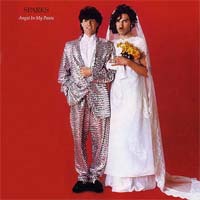 1982Angst in My Pants
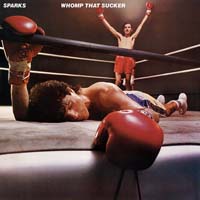 1981Whomp That Sucker
 1980Terminal Jive
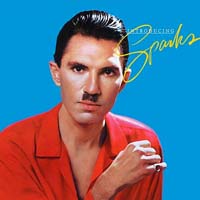 1977Introducing Sparks
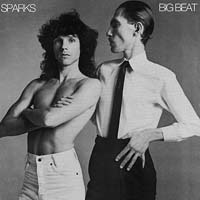 1976Big Beat
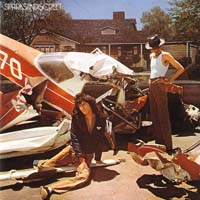 1975Indiscreet
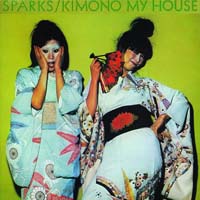 1974Kimono My House
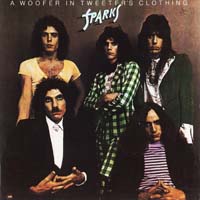 1968A Woofer in Tweeter's Clothing