

Sparks experiments boldly on No. 1 in Heaven
No. 1 in Heaven- Album Overview
"No. 1 in Heaven," released in 1979, marks a seminal moment in the career of the American pop duo Sparks. This album was released under the label, Bearsville Records, and was produced by the renowned Giorgio Moroder, a figure synonymous with the disco era and electronic music innovation. The collaboration with Moroder brought a fresh, synth-heavy sound that was a departure from Sparks' earlier glam rock roots. Recorded in Los Angeles, the album features a progressive blend of pop, rock, and electronic elements, showcasing Sparks' willingness to push boundaries and explore new musical territories.
The album includes standout tracks such as "The Number One Song in Heaven" and "Beat the Clock," which were not just commercial singles but also critical touchstones that exemplified the band's experimentation with electronic instrumentation and catchy hooks. The use of synthesizers and sequencers in these songs was groundbreaking at the time, contributing to the emerging synth-pop genre.
"No. 1 in Heaven" also reflects the cultural shifts of the late 1970s, as disco and electronic music began to dominate the charts. Sparks' unique blend of humor, irony, and theatricality resonated with the zeitgeist, allowing them to carve a niche that was distinctly their own. The album's legacy can be seen in the work of later artists who would draw inspiration from Sparks' innovative approach, making it a landmark release in the evolution of pop music.
Review
The sound of "No. 1 in Heaven" is audacious and vibrant, marking a pivotal shift in Sparks' artistic direction. The layering of synthesizers creates an ethereal atmosphere that complements Russell Mael's distinctive falsetto, while Ron Mael's witty lyrics offer a blend of poignancy and satire. Tracks like "The Number One Song in Heaven" capture the essence of the disco era while simultaneously critiquing it, showcasing Sparks' ability to navigate complex themes within infectious pop melodies.
The album's production is a standout feature, with Giorgio Moroder's influence evident throughout. The polished soundscape is both futuristic and accessible, appealing to both disco enthusiasts and rock fans alike. However, some critics argue that the reliance on electronic elements may overshadow the band's lyrical depth. Despite this, the overall artistic vision remains clear: Sparks is not just a band but a concept, continually redefining themselves and the genres they inhabit.
Highlights
- Groundbreaking use of synthesizers that defined the sound of the late '70s.
- Memorable and catchy hooks that showcase Sparks' songwriting prowess.
- A clever blend of humor and critique in the lyrics, maintaining Sparks' signature style.
Weak points
- The electronic sound may alienate fans of their earlier glam rock style.
- Some tracks may feel repetitive to listeners unaccustomed to the genre.
- The polished production might overshadow the raw energy found in previous albums.
Overall evaluation
"No. 1 in Heaven" stands as a testament to Sparks' innovative spirit and their ability to adapt to the changing musical landscape. It successfully merges pop and electronic elements, making it a crucial entry in the band's discography and a significant milestone in music history.
Personal rating: 8/10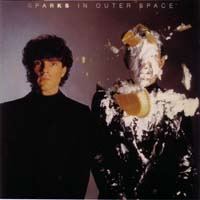 1983In Outer Space
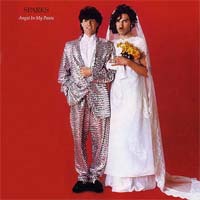 1982Angst in My Pants
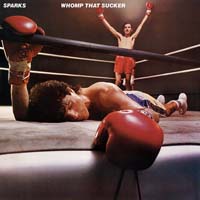 1981Whomp That Sucker
 1980Terminal Jive
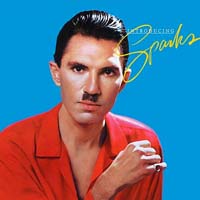 1977Introducing Sparks
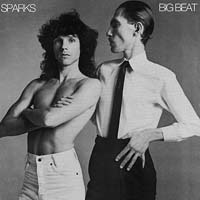 1976Big Beat
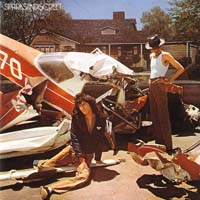 1975Indiscreet
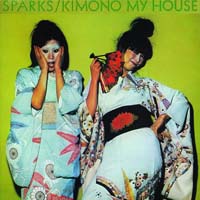 1974Kimono My House
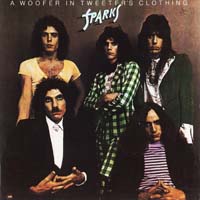 1968A Woofer in Tweeter's Clothing