

Is Porgy Nina Simone's best work yet?
Porgy- Album Overview
Nina Simone's Porgy, released in 1961, stands as a powerful testament to her artistic genius and versatility. Produced by the legendary musician and label owner, it was released under the Colpix Records label. The album is a reinterpretation of George Gershwin's opera Porgy and Bess, showcasing Simone's ability to blend classical, jazz, and blues elements into a cohesive and compelling narrative. The recording sessions took place in New York City, where Simone collaborated with an array of talented musicians, including her long-time band members and arrangers. The album features tracks such as "I Loves You, Porgy," "Summertime," and "My Man's Gone Now," each infused with Simone's emotive vocal delivery and rich piano accompaniment.
Musically, Porgy is significant not just for its reinterpretation of American classical music but also for its cultural implications, as it highlights themes of love, loss, and resilience through the lens of African American experiences. The release year coincided with the civil rights movement, making the album's messages resonate even more strongly with audiences seeking empowerment and change. Although no singles charted prominently, the album has remained influential, inspiring countless artists and musicians across genres. Simone's fierce artistic vision and commitment to her roots make Porgy not just a collection of songs, but a profound statement on identity and heritage.
Review
In Porgy, Nina Simone delivers a masterclass in emotional storytelling through music. Her vocal power and unique phrasing elevate the already poignant lyrics, crafting a narrative that captivates listeners from start to finish. The album’s arrangements balance orchestral elements with jazz influences, allowing Simone's voice to shine while providing a rich backdrop. Each track serves as a canvas for her artistic vision, blending the boundaries of genres while embracing the operatic roots of the original material.
Lyrically, Simone explores deep themes of love and longing, moving seamlessly between heartfelt ballads and more upbeat numbers. The production quality, typical of early 1960s jazz recordings, complements her style, though some might find it slightly dated compared to modern standards. Nevertheless, the authenticity of Simone's performance transcends any limitations in production, making Porgy a timeless piece of art that continues to resonate with audiences today.
Highlights
- Vocal performance that blends emotional depth with technical skill.
- Unique reinterpretation of classic opera material, showcasing innovative arrangements.
- Cultural significance, resonating with themes of identity and resilience during the civil rights era.
Weak points
- Some tracks may feel dated in production compared to contemporary recordings.
- Lack of prominent singles that could enhance mainstream recognition.
- Limited variety in tempo, which may not appeal to all listeners.
Overall evaluation
Nina Simone's Porgy is a remarkable exploration of artistry that transcends genre boundaries, offering a rich and emotional experience. While it may not be universally appealing due to its production style and pacing, the album's cultural significance and Simone's unmatched vocal prowess make it a compelling work worthy of appreciation.
Personal rating: 9/10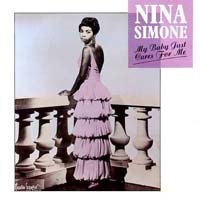 1982My Baby Just Cares for Me
 1961Forbidden Fruit
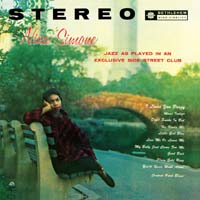 1958Little Girl Blue