
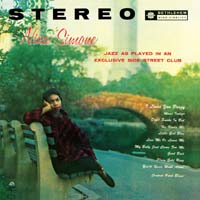
Review of Nina Simone – Little Girl Blue
Little Girl Blue- Album Overview
"Little Girl Blue," released in 1958, is Nina Simone's debut studio album, marking a significant entry into the realms of jazz, blues, and folk music. Released under the Colpix Records label, the album showcases Simone's unique style that blends classical training with a deep understanding of African American musical traditions. The recording took place at the Rudy Van Gelder Studio, renowned for its acoustics and past contributions to jazz history, where Simone collaborated with producer and fellow musician, Hal Mooney. The album features a mix of original songs and covers, including the standout track "I Loves You, Porgy," which would later become one of her signature songs. The cultural significance of "Little Girl Blue" lies in its honest exploration of emotional vulnerability and social themes, which would pave the way for Simone's later work as an activist. The album's blend of jazz and blues not only highlights Simone's powerful vocal delivery but also her exceptional piano skills. Tracks like "Mood Indigo" and "Don't Explain" resonate with themes of love and heartache, delivered with a poignant sincerity. "Little Girl Blue" has since been celebrated for its authenticity and raw emotion, establishing Simone as a key figure in the civil rights movement and a voice for marginalized communities.
Review
The sound of "Little Girl Blue" is a captivating tapestry of jazz and blues, woven together by Simone's hauntingly beautiful voice. Her ability to convey deep emotion through her vocal delivery is unparalleled; each note feels imbued with personal experience. The album's arrangements are lush yet understated, allowing Simone's piano and voice to take center stage. Lyrically, the songs delve into themes of love, loss, and resilience, reflecting Simone's own life experiences and the struggles faced by many during the era. Simone's artistic vision is clear throughout the album, as she navigates complex emotions with grace and power. The production, while characteristic of its time, does not overshadow her talent; instead, it complements her artistry. "Little Girl Blue" serves not just as a collection of songs but as a statement piece that captures the essence of a woman who would go on to become an icon of music and civil rights. The emotional depth of tracks like "I Loves You, Porgy" and "Don't Explain" resonates even today, illustrating Simone's timeless relevance in both music and social commentary.
Highlights
- The emotive vocal performances that showcase Simone's unique style.
- Powerful lyrical content addressing love, loss, and social issues.
- The blending of jazz and blues that creates a rich musical experience.
Weak points
- Some tracks may feel dated in production style compared to modern recordings.
- The pacing of the album could be considered slow for contemporary listeners.
- Not all songs achieve the same level of emotional impact as the standout tracks.
Overall evaluation
"Little Girl Blue" is a landmark debut that not only introduces Nina Simone as a formidable artist but also sets the stage for her influential career. The album's blend of jazz and blues, coupled with its poignant lyrical themes, makes it a timeless piece worthy of exploration. It remains a vital part of music history, reflecting both personal and societal struggles.
Personal rating: 9/10 2005Nina Simone For Lovers
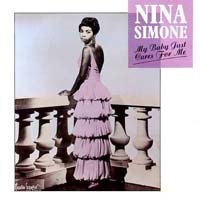 1982My Baby Just Cares for Me
 1961Forbidden Fruit