

Review of Nina Simone – Forbidden Fruit
Forbidden Fruit- Album Overview
Nina Simone's "Forbidden Fruit" was released in 1961 under the Colpix Records label. This album, her fourth studio release, showcases Simone's unique blend of jazz, blues, and folk influences, reflecting her incredible vocal range and emotive delivery. The recording sessions took place in New York City, where Simone worked with a talented group of musicians, including bassist Gene Taylor and drummer Albert "Tootie" Heath. The album features a mix of original compositions and covers, including the poignant title track "Forbidden Fruit," which discusses themes of desire and societal constraints. Other notable tracks include "The Other Woman," a heart-wrenching narrative of infidelity, and "I Love You, Porgy," which demonstrates Simone's ability to convey deep emotion through her interpretations. "Forbidden Fruit" was significant not only for its musical quality but also for its cultural context, emerging during the civil rights movement when artists were increasingly using their platforms to address social issues. The album's exploration of love, heartache, and identity resonated deeply with listeners, establishing Simone as a voice of her generation. As a precursor to her later works that would tackle more overtly political themes, "Forbidden Fruit" stands as a testament to her artistry and the emotional depth she brought to her music.
Review
The sound of "Forbidden Fruit" is a rich tapestry of jazz and blues, characterized by Simone's distinctive piano work and powerful vocals. Each track is imbued with a sense of urgency and passion that draws the listener in. Lyrically, Simone navigates complex emotional landscapes, from the bittersweet reflections on love and betrayal in "The Other Woman" to the haunting allure of the title track. Her artistic vision is clear: she aims to capture raw human experiences and emotions. The production, while reflective of early 1960s jazz, allows her voice to remain the focal point, ensuring that her message is not lost beneath the instrumentation. Simone's ability to convey vulnerability and strength simultaneously is perhaps the album's greatest achievement, making it a compelling listen for both jazz aficionados and casual listeners alike.
Highlights
- Nina Simone's powerful and emotive vocal performances.
- The album's rich blend of jazz, blues, and folk influences.
- Thought-provoking lyrics that explore complex emotional themes.
Weak points
- Some tracks may feel overshadowed by the more iconic songs.
- The production quality reflects its time, which may not appeal to all modern listeners.
- A few songs lack the dynamic range found in her later works.
Overall evaluation
"Forbidden Fruit" is a significant entry in Nina Simone's discography, showcasing her extraordinary talent and emotional depth. While it may not feature her most famous songs, it captures the essence of her artistry and the era's cultural landscape. The album is a must-listen for anyone interested in understanding the evolution of jazz and the role of music in social commentary.
Personal rating: 8/10 2005Nina Simone For Lovers
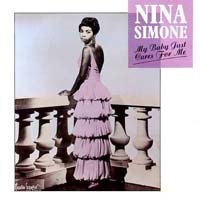 1982My Baby Just Cares for Me
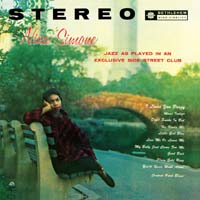 1958Little Girl Blue