

Nina Simone – Nina Simone Sings Ellington: track-by-track perspective
Nina Simone Sings Ellington- Album Overview
"Nina Simone Sings Ellington," released in 1962, is a remarkable homage to the legendary composer and bandleader Duke Ellington. This album was released under the Colpix Records label and features a collection of Ellington's most beloved compositions reinterpreted through Simone's unique vocal and piano stylings. The recording took place at the famed RCA Studios in New York City, with Simone collaborating with a group of talented musicians, including bassist Jimmy Garrison, drummer Albert "Tootie" Heath, and saxophonist John Coltrane, who added depth to the arrangements. The album includes notable tracks such as "Mood Indigo," "Satin Doll," and "I Got It Bad (And That Ain't Good)," each showcasing Simone's ability to infuse her interpretations with emotional intensity and jazz sophistication.
Critically, the album stands as a significant cultural artifact, reflecting the intersection of jazz and civil rights during a transformative era in American history. It not only highlights Nina Simone's vocal prowess but also her commitment to using music as a vehicle for social change. The singles "Mood Indigo" and "I Got It Bad (And That Ain't Good)" received considerable attention and remain staples in her repertoire. The album was well-received upon release, establishing Simone as a leading figure in both the jazz and broader musical landscape of the 1960s. With its lush arrangements and Simone's powerful delivery, "Nina Simone Sings Ellington" continues to resonate with audiences today, celebrating the genius of both artists.
Review
The sound of "Nina Simone Sings Ellington" is a sublime fusion of jazz artistry and soulful expression. Simone's rich, emotive voice delivers each lyric with a poignant depth that breathes new life into Ellington's timeless compositions. She deftly balances the sophistication of jazz with her own unique flair, making each track feel both fresh and nostalgic. The arrangements are lush and dynamic, allowing her voice to glide effortlessly over the instrumentation. Lyrically, the songs explore themes of love, longing, and heartache, all of which Simone conveys with a sincerity that is both captivating and heart-wrenching. This album showcases Simone not just as a performer but as a storyteller, deeply connected to the emotional undercurrents of Ellington's work. Overall, the artistic vision behind this project is a testament to Simone's ability to transcend genres, creating a bridge between jazz and the burgeoning civil rights movement.
Highlights
- The emotional depth of Simone's vocal delivery enhances the timeless quality of Ellington's compositions.
- Expertly arranged instrumental backing, showcasing the talents of notable jazz musicians of the era.
- The album's cultural significance as a reflection of the civil rights movement and Simone's role as an artist-activist.
Weak points
- Some listeners may find the slower tempo of certain tracks less engaging compared to upbeat jazz standards.
- The album's focus on Ellington's work may limit appeal to those unfamiliar with his music.
- Occasional production choices may come off as dated to modern ears, despite the album's historical significance.
Overall evaluation
"Nina Simone Sings Ellington" is a masterful tribute that not only honors the legacy of Duke Ellington but also cements Nina Simone's place in the pantheon of jazz greats. The album is a rich tapestry of emotional storytelling, musical sophistication, and cultural significance. Its timeless quality ensures that it remains relevant and impactful decades after its release.
Personal rating: 9/10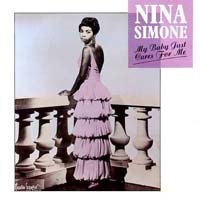 1982My Baby Just Cares for Me
 1961Forbidden Fruit
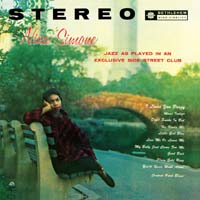 1958Little Girl Blue