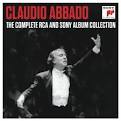
ALBUM NOTESOne week with Mussorgsky: Pictures At An Exhibition / Ravel: Rap: thoughts on Claudio Abbado
Mussorgsky: Pictures At An Exhibition / Ravel: Rap- Album Overview
The album "Mussorgsky: Pictures At An Exhibition / Ravel: Rap," conducted by the renowned Claudio Abbado, was released in 1990 under the Deutsche Grammophon label. This recording captures Abbado's vibrant interpretation of Modest Mussorgsky's iconic orchestral suite "Pictures At An Exhibition," originally composed for piano in 1874 and later orchestrated by Maurice Ravel in 1922. The album is significant not only for its artistic merit but also for showcasing Abbado's ability to bring out the rich textures and emotional depth of the piece. Recorded with the Berlin Philharmonic, the performance highlights the ensemble's precision and dynamic range.
The album's production is marked by a high level of craftsmanship, with engineers ensuring a clear and balanced sound that does justice to the full orchestral palette. Abbado's interpretation stands out for its nuanced phrasing and dramatic contrasts, making the music feel both fresh and timeless. The collaboration with the Berlin Philharmonic, one of the world’s leading orchestras, further enhances the overall impact of the recording. The album has been praised for its ability to bridge the gap between classical and contemporary audiences, as it also incorporates elements of Ravel's own compositions, showcasing his innovative approach to orchestration and thematic development.
The significance of this album lies in its exploration of the visual and emotional narrative that Mussorgsky intended, allowing listeners to experience the artwork represented through music. As a testament to Abbado's enduring legacy, this album remains a compelling interpretation of two seminal works in the classical repertoire, reflecting both the compositional genius of Mussorgsky and the orchestral mastery of Ravel.
Review
Claudio Abbado's interpretation of "Pictures At An Exhibition" is nothing short of mesmerizing. From the very first notes, he draws the listener into a vivid auditory landscape that brings the paintings to life. The orchestration, especially in Ravel's rendition, is meticulously detailed, allowing for a range of emotions to be expressed through the music. Abbado's ability to balance the various sections of the orchestra results in a rich and immersive experience. The brass section shines in the more dramatic moments, while the strings provide a lyrical counterpoint that is both haunting and beautiful.
The artistic vision behind this album is clearly articulated through Abbado's conducting style, which emphasizes clarity and emotional depth. He navigates the transitions seamlessly, making each movement feel like a journey through an art gallery, where every piece tells its own story. The interplay between the vivid orchestral colors and the nuanced dynamics showcases not just the technical prowess of the performers but also Abbado's interpretative insights.
Overall, this album serves as both an homage to the original compositions and a contemporary reinterpretation that resonates with modern audiences, solidifying Abbado's reputation as one of the leading conductors of his time.
Highlights
- Exceptional orchestral performance by the Berlin Philharmonic.
- Nuanced interpretation that highlights the emotional depth of the music.
- Masterful balance between Mussorgsky's original and Ravel's orchestration.
Weak points
- Some listeners may prefer a more traditional interpretation of Mussorgsky.
- The album may not appeal to those who favor more modern compositions.
- Occasional moments of orchestral complexity might be overwhelming for casual listeners.
Overall evaluation
Claudio Abbado's "Mussorgsky: Pictures At An Exhibition / Ravel: Rap" is a remarkable interpretation that balances tradition with innovation. It remains a significant contribution to the classical genre, showcasing both the genius of its composers and the artistry of Abbado and the Berlin Philharmonic.
Personal rating: 9/10